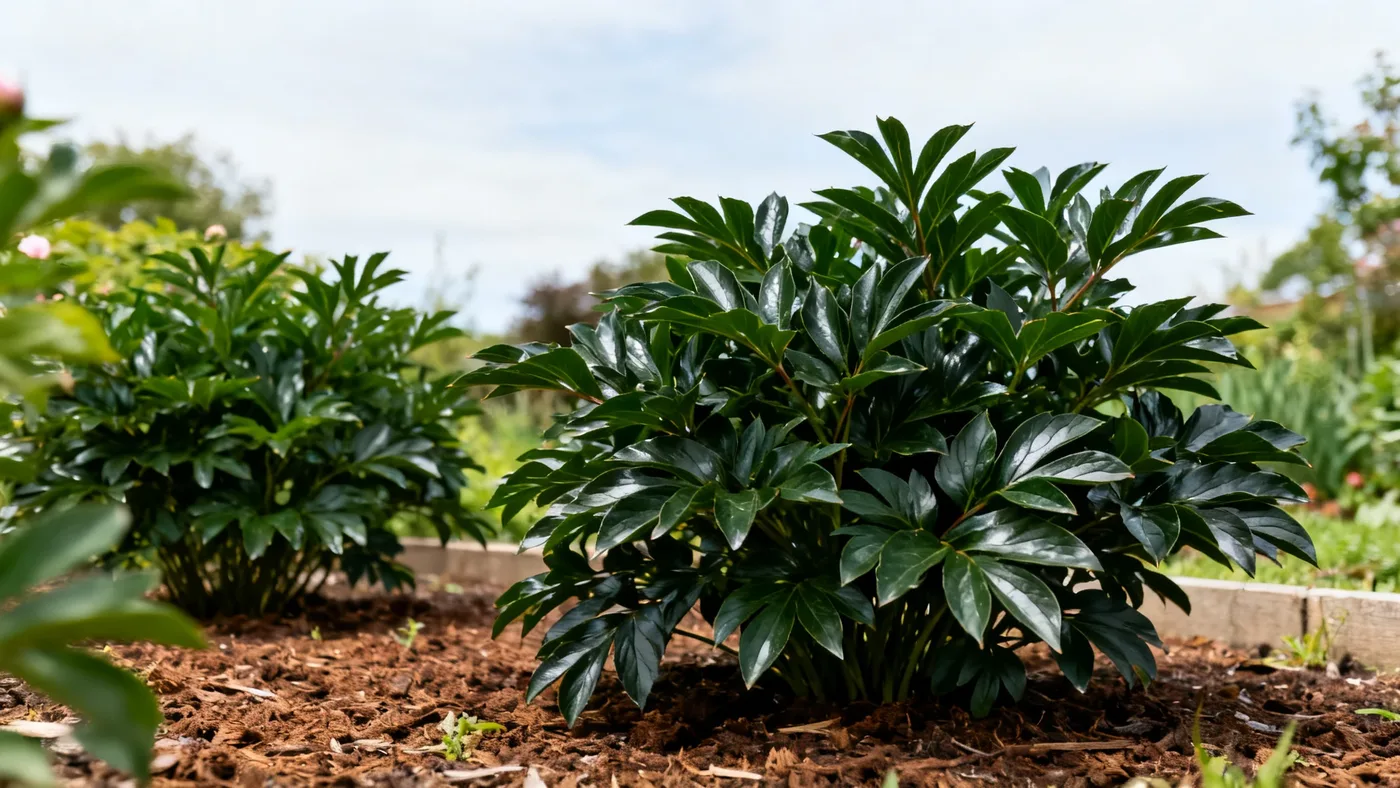
Is Sarah Bernhardt Peony Toxic to Dogs and Cats?
If you have a dog, cat, or horse and you're drawn to the romantic blooms of Sarah Bernhardt Peony, you have a legitimate question: is this classic beauty safe around your pets? The answer is straightforward, based on ASPCA toxicity data, and comes with practical steps to keep your animals safe while you enjoy this heirloom perennial.
Toxicity Basics
Is Sarah Bernhardt Peony toxic to dogs and cats according to the ASPCA?
Yes, Sarah Bernhardt Peony is listed as mildly toxic to dogs, cats, and horses by the ASPCA. The peony bark, roots, and flowers contain compounds that can cause mild gastrointestinal upset if ingested. The toxicity is considered low risk, meaning small accidental exposure is unlikely to cause serious harm, but ingestion should still be prevented when possible.
What parts of the Sarah Bernhardt Peony are toxic?
The bark, roots, and flowers of Sarah Bernhardt Peony all contain the mild toxin. The roots and tubers pose the highest risk since they are belowground and less accessible to pets during typical garden play. Flowers and bark are more likely to be nibbled or chewed by curious animals, making those parts the practical concern for most pet owners.
Is Sarah Bernhardt Peony toxic to people?
Sarah Bernhardt Peony is not considered a significant health hazard to people, though large ingestion of any part can cause gastrointestinal upset. Children and pets are at higher risk from smaller doses, so keeping the plant away from both curious toddlers and animals is wise. Accidental skin contact with the plant rarely causes issues.
How toxic is Sarah Bernhardt Peony compared to other common garden plants?
Sarah Bernhardt Peony toxicity is mild relative to many popular ornamentals. Lilies, oleander, foxglove, and sago palms are far more dangerous to pets. Peonies rank as low-toxicity plants, meaning a pet would need to ingest a significant quantity to experience serious symptoms, though any ingestion is worth monitoring.
Dogs and Sarah Bernhardt Peony
Can dogs eat Sarah Bernhardt Peony flowers or leaves?
Dogs should not eat Sarah Bernhardt Peony flowers, leaves, bark, or roots. A dog that nibbles or chews on any part of the plant may experience mild vomiting or diarrhea within a few hours. Most cases resolve without treatment, but the discomfort is still best avoided through prevention.
What happens if my dog eats Sarah Bernhardt Peony?
If your dog ingests Sarah Bernhardt Peony, the most common symptoms are vomiting and diarrhea, usually appearing within 1 to 2 hours. Lethargy or loss of appetite may also occur. In mild cases, these symptoms resolve on their own; in severe cases or if your dog is very young, very old, or has underlying health issues, veterinary evaluation is warranted.
My dog ate Sarah Bernhardt Peony flowers. What should I do?
Contact your veterinarian or poison control (Pet Poison Helpline, ASPCA Animal Poison Control) and describe what and how much your dog ate. Have your dog's weight and age ready. Monitor your dog closely for vomiting, diarrhea, or lethargy over the next 24 hours. Most cases are managed at home with supportive care, but professional guidance ensures peace of mind.
Are dogs naturally attracted to Sarah Bernhardt Peony?
No. Dogs are not naturally drawn to peony flowers or foliage. Accidental ingestion typically happens when a dog investigates a fallen bloom or chews on stems out of boredom or teething. Established peony plants are low-maintenance and rarely require pruning during the blooming season, reducing the chance of exposed cuttings a dog might chew.
Cats and Sarah Bernhardt Peony
Is Sarah Bernhardt Peony safe for cats?
No, Sarah Bernhardt Peony is not safe for cats to ingest. Per the ASPCA, cats eating peony bark, roots, or flowers can experience vomiting and diarrhea. Cats are generally less interested in ornamental plants than dogs, but curious kittens or outdoor cats may investigate new plants.
What symptoms would my cat show if it ate Sarah Bernhardt Peony?
Cats ingesting Sarah Bernhardt Peony typically show vomiting and diarrhea within 1 to 2 hours. Some cats may become less active or lose their appetite. The severity depends on how much was eaten and your cat's age and health; kittens and senior cats may show more pronounced symptoms.
My cat ate or chewed on Sarah Bernhardt Peony. Is it an emergency?
Contact your veterinarian or the ASPCA Animal Poison Control Center (888-426-4435) for guidance. Peony toxicity to cats is mild, so a small amount of plant material is unlikely to cause life-threatening symptoms, but professional advice ensures your cat receives the right care. Vomiting or diarrhea that lasts more than a few hours warrants a vet visit.
Can I grow Sarah Bernhardt Peony safely if I have indoor or outdoor cats?
Yes, with precautions. Keep the peony in an area where your cat cannot access the base, roots, or fallen flowers. Outdoor cats may dig near the roots if given the chance, so fencing or netting the plant base is an option. Since cats typically prefer grasses and catnip, they are less likely to bother a mature peony plant than dogs are.
Horses and Other Pets
Is Sarah Bernhardt Peony toxic to horses?
Yes, the ASPCA lists Sarah Bernhardt Peony as mildly toxic to horses. If a horse ingests peony bark, roots, or flowers, it may experience vomiting, diarrhea, or other mild gastrointestinal signs. Most horses are selective grazers and avoid ornamental plants, but stabled horses with access to garden areas should be kept away from peony plantings.
Are rabbits, guinea pigs, or small pets at risk from Sarah Bernhardt Peony?
Small pets like rabbits and guinea pigs can experience digestive upset if they eat peony plant material, though toxicity data for these species is less well documented than for dogs, cats, and horses. Keep these animals away from peony gardens and never offer peony trimmings as food or bedding material. When in doubt, contact your exotic veterinarian.
Prevention and Safe Growing
What is the best way to protect my pets from Sarah Bernhardt Peony toxicity?
The simplest approach is physical separation. Plant your Sarah Bernhardt Peony in a fenced garden bed, raised planter, or area where pets do not roam unsupervised. Clean up fallen flower petals and deadheaded blooms promptly to remove temptation. Train dogs to avoid the area using gentle redirection and positive reinforcement.
Should I skip growing Sarah Bernhardt Peony if I have pets?
No, you do not need to avoid Sarah Bernhardt Peony altogether. The toxicity is mild, and with basic precautions, the plant and your pets can coexist safely. Many pet owners grow peonies successfully by choosing a planting location that naturally limits pet access and by maintaining good garden hygiene.
Can I grow Sarah Bernhardt Peony in a container to keep it away from pets?
Yes, this is a valid option. Sarah Bernhardt Peony can grow in a large container (15 gallons or larger) and be placed on a patio, deck, or shelf where pets cannot reach it. Containers do restrict the plant's long-term performance, but they work well for pet owners in small spaces. For more details on container growing, see our complete care guide.
What should I do with fallen peony blooms or pruning trimmings?
Dispose of fallen flowers, cut stems, and pruning debris in a sealed compost bin or yard waste container that pets cannot access. Do not leave trimmings piled on the ground where a curious dog might chew them. If you deadhead blooms in the garden, collect them immediately rather than leaving them scattered.
Growing Sarah Bernhardt Peony in a Pet-Friendly Garden
Where is the best location to plant Sarah Bernhardt Peony if I have pets?
Plant your Sarah Bernhardt Peony in a dedicated perennial bed with a fence, low hedge, or raised border that discourages pet access. Avoid areas where dogs typically play, dig, or patrol. A spot in morning sun and afternoon shade (6+ hours of sunlight) away from pet paths keeps the plant healthy and your animals safe. For detailed planting guidance, read our planting guide.
Can I plant Sarah Bernhardt Peony alongside other pet-safe plants?
Yes. Pair your peony with non-toxic companion plants like catmint (Nepeta), roses, alliums, baptisia, or bearded iris. This creates a beautiful, cohesive border while giving you options that pose no toxicity risk. A well-designed garden that blends toxic and non-toxic plants reduces the chance that your pet will encounter anything harmful.
How long before Sarah Bernhardt Peony reaches full size and becomes less accessible to pets?
Sarah Bernhardt Peony grows to 30 to 36 inches tall and 24 to 36 inches wide at maturity. It takes 3 to 4 years after planting to reach its full, mature size and display peak blooms. During the first 1 to 2 years, the young plant is smaller and potentially more vulnerable to pet damage, so extra vigilance is worthwhile during establishment.
When to Seek Veterinary Help
What are the red flags that I should call a veterinarian immediately?
Contact your vet right away if your pet shows signs of severe vomiting or diarrhea that lasts longer than 2 hours, difficulty breathing, drooling, tremors, or collapse. Most peony ingestion cases are mild, but severe reactions or signs of distress warrant emergency evaluation. If your pet ingests a large amount of peony material, call your vet even if no symptoms appear yet.
What information should I provide to my veterinarian if my pet ate Sarah Bernhardt Peony?
Tell your vet the species of plant eaten, what part (flower, stem, root, bark), approximately how much, when it was eaten, your pet's age and weight, and any symptoms you have observed. Having the scientific name (Paeonia lactiflora 'Sarah Bernhardt') and the ASPCA toxicity classification ready helps your vet treat your pet quickly and confidently.
Is there a specific antidote for peony toxicity in pets?
No specific antidote exists for peony toxicity. Veterinary treatment focuses on supportive care: managing vomiting and diarrhea, monitoring hydration, and ensuring the pet's comfort while the toxin passes through the digestive system. Most pets recover fully within 24 to 48 hours with no intervention beyond observation and home care.
Quick Reference Checklist
| Question | Answer |
|---|---|
| Is Sarah Bernhardt Peony toxic to dogs? | Yes, mildly. ASPCA-listed; causes vomiting/diarrhea if ingested. |
| Is Sarah Bernhardt Peony toxic to cats? | Yes, mildly. Same symptoms as dogs; cats are less likely to eat it. |
| Is Sarah Bernhardt Peony toxic to horses? | Yes, mildly. Keep stabled horses away from plantings. |
| What parts are toxic? | Bark, roots, flowers, and stems all contain mild toxins. |
| Is it an emergency if my pet eats it? | No, but contact your vet if symptoms develop or persist. |
| How do I prevent ingestion? | Plant in a fenced area, remove fallen blooms, use containers if needed. |
| How long until the plant is too large for pets to access? | 3 to 4 years to reach full height (30-36 inches); smaller at first. |
| Can I grow it with pets present? | Yes, with physical separation and good garden hygiene practices. |
Sarah Bernhardt Peony is a beautiful, long-lived perennial that brings decades of fragrant blooms to gardens where it is properly placed and cared for. The mild toxicity to pets is manageable through simple precautions, allowing you to enjoy this heirloom classic while keeping your dogs, cats, and other animals safe. If you have specific concerns about your pet or your garden layout, consult your veterinarian or local extension service for personalized guidance.