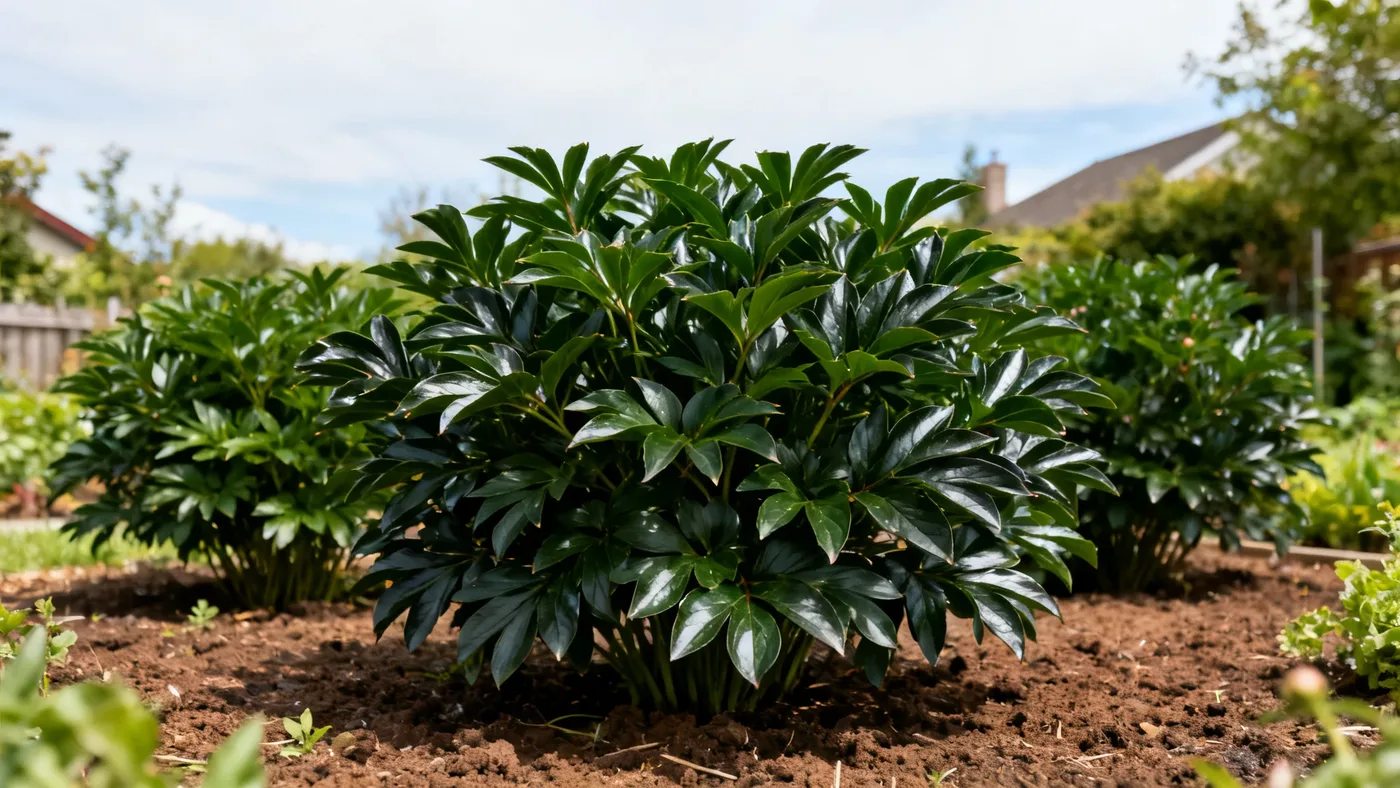
The Complete Sarah Bernhardt Peony Care Guide
Key Takeaways
- Plant in fall or early spring; eyes should sit no deeper than 1-2 inches below soil surface
- Full sun (6+ hours) is essential; afternoon shade helps in hot southern zones (7-8)
- Paeonia lactiflora 'Sarah Bernhardt' thrives in zones 3-8 and typically reaches full bloom in 3-4 years
- Water regularly during establishment and bloom, but allow soil to dry slightly between waterings
- Deadhead spent flowers and cut stems back to 2-3 inches after fall frost
Overview: What to Expect from Sarah Bernhardt Peony
Sarah Bernhardt Peony (Paeonia lactiflora 'Sarah Bernhardt') is a French-bred herbaceous perennial that rewards patient gardeners with decades of reliable, fragrant blooms. The pale blush-pink double flowers appear in late spring to early summer (May-June, depending on your zone), fade to nearly white with age, and carry a strong rose-like fragrance that fills the garden. New gardeners often wonder why their freshly planted peony doesn't produce blooms immediately, this is entirely normal. Light blooms may appear in the first or second year, but the full, mature display you see in photos typically takes 3-4 years to develop after planting. This slow establishment is not a problem; it reflects the plant's long-term nature. Well-maintained Sarah Bernhardt peonies commonly live 20-50 years or longer, with some specimens documented at over a century old.
Planting Sarah Bernhardt Peony: Site and Timing
When to Plant
Fall is the preferred planting season, as the cooling soil and dormant roots allow good establishment before winter. Early spring planting (as soon as the ground is workable) is also acceptable, particularly for container-grown stock from nurseries. If you plant in spring, provide regular water through the establishment period.
Site Selection and Sun Requirements
Sarah Bernhardt Peony demands full sun, at least 6 hours per day, to reach its blooming potential. In zones 7 and 8, afternoon shade is beneficial to reduce stress and prolong bloom. Avoid planting in deep shade or beneath trees with competing root systems. Morning sun followed by afternoon shade is ideal in hot climates; morning sun only rarely produces adequate flowering.
Soil Preparation
Peonies are not fussy, but they dislike wet feet. Prepare a planting hole in fertile, humus-rich, well-drained loam. Soil pH should be neutral to slightly acidic, ideally between 6.5 and 7.0. If your soil is heavy clay, work in 2-3 inches of compost or well-rotted organic matter to improve drainage. Peonies resent soggy conditions year-round, so if your garden holds water after rain, consider a raised bed or berm.
Planting Depth: Critical Detail
The most common reason a Sarah Bernhardt Peony fails to bloom is planting the eyes (the reddish buds at the crown) too deep. The eyes should sit no more than 1-2 inches below the soil surface. If buried deeper, the plant expends energy only on foliage and stores, never reaching flowering maturity. When planting, gently spread the tuberous roots outward and angle the crown so the eyes rest just below the topsoil. Backfill with amended soil, firm gently, and water well.
Spacing
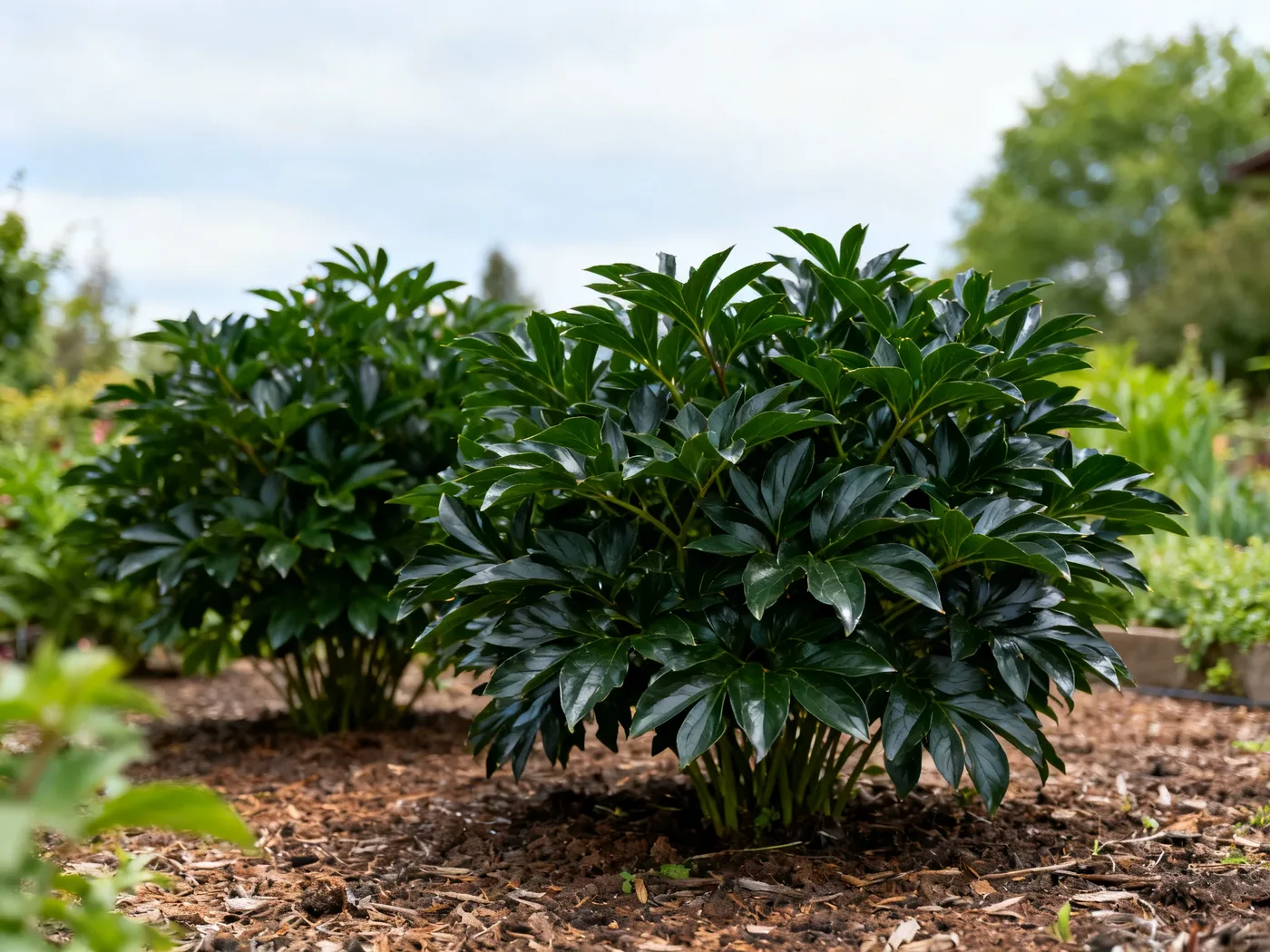
Plant Sarah Bernhardt Peonies 3 feet apart, center to center. They grow into mounding plants 30-36 inches tall (up to 38 inches in ideal conditions) and equally wide. This spacing prevents crowding, ensures good air circulation, and allows room for the mature root system.
Watering and Soil Management
Water Sarah Bernhardt Peony regularly during the establishment period (the first growing season and into the second) and again during bloom time. Once established, the plant exhibits moderate drought tolerance and does not need daily watering. The key is consistency: water deeply once or twice per week if rain is scarce, but allow the soil to dry slightly between waterings. Overwatering or prolonged wetness invites botrytis, the gray mold fungus that causes buds to blacken and flowers to fail.
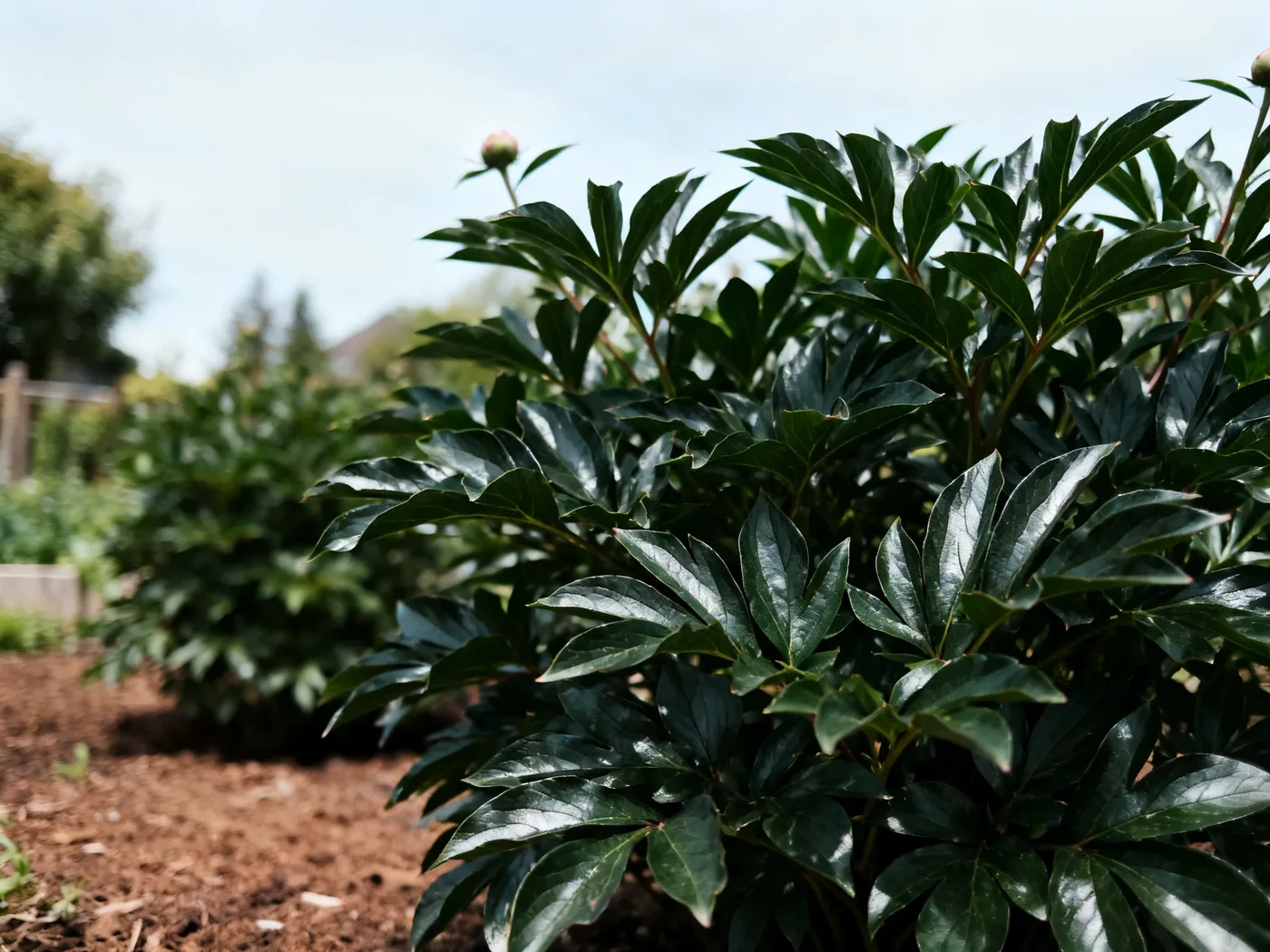
Mulching helps retain moisture and keeps soil temperatures stable. Apply 1-2 inches of composted wood chips or aged compost around the base in spring, keeping the mulch a few inches away from the crown to prevent rot. Avoid fresh bark or uncomposted material, which can lock up nitrogen as it breaks down.
Fertilizing Your Sarah Bernhardt Peony
Peonies are not heavy feeders, but a light touch of the right fertilizer in spring pays dividends. As shoots emerge (early spring), apply a low-nitrogen, phosphorus-rich fertilizer such as bone meal or a balanced 5-10-10 formulation at the package rate. Phosphorus and potassium encourage blooms and root strength; excess nitrogen promotes leafy growth at the expense of flowers. Do not fertilize after bloom, as this can encourage soft new growth vulnerable to early frost damage. If your soil is already rich (amended with compost), one light spring application every 2-3 years is sufficient.
Understanding Growth and Bloom Timeline
Year 1-2: Establishment and Light Blooms
The first year after planting, your Sarah Bernhardt Peony establishes its root system. You may see some flowers in year 2, but they are usually modest and single (not yet the full double form). This is normal and not a sign of problems.
Year 3-4: Full Mature Display
By the third or fourth growing season, the plant reaches mature size and energy, and the characteristic pale blush-pink double flowers appear in abundance. Peak bloom typically occurs in late spring to early summer (May-June in most zones), though timing varies slightly with latitude and spring warmth. The fragrance, strong and rose-like, is one of the cultivar's hallmarks.
Hardiness Zones
Sarah Bernhardt Peony is hardy in USDA zones 3-8. In zone 3, late frosts can occasionally nip unopened buds; in zone 8, heat stress is the limiting factor. Gardeners in zones 7-8 benefit most from afternoon shade to extend bloom and reduce plant stress.
Pruning, Deadheading, and Fall Cleanup
Deadheading During Bloom
As individual flowers fade (typically after 5-10 days), pinch or cut off the spent blooms just below the flower. This redirects the plant's energy to the root system and tubers, strengthening next year's display. Leave stems and foliage in place to capture sunlight.
Fall Pruning
After the first hard frost kills the foliage (late fall, depending on your zone), cut the stems back to 2-3 inches above the ground. Remove all cut stems and leaves from the garden to reduce overwintering sites for pests and diseases. Discard the debris; do not compost it if disease is present. This cleanup is one of the highest-payoff tasks for preventing botrytis and other fungal problems the following spring.
Spring Cleanup
In early spring, as new growth emerges, remove any old mulch from around the crown to improve air circulation and discourage fungal issues. Replace with fresh mulch if desired.
Common Problems and Solutions
Plant Fails to Bloom
The most frequent cause is planting too deep. If your peony is 2-3 years old and still not flowering, carefully excavate and check the eye depth. Eyes should be no more than 1-2 inches below soil. If they are deeper, gently lift the crown and reposition it in spring. Insufficient sun (fewer than 6 hours per day) is the second leading cause; consider pruning nearby trees or relocating the plant if possible.
Botrytis Blight (Gray Mold)
This fungal disease appears as gray fuzz on buds and blackened flowers, especially in wet springs. Prevent it by removing dead foliage promptly in fall, spacing plants for air circulation, and avoiding overhead watering. If botrytis appears, remove affected buds and flowers immediately and dispose of them. Thin the plant's interior stems slightly in early spring to improve air flow.
Powdery Mildew
A white coating on foliage, particularly in late summer, is usually cosmetic and not a serious threat to peonies. Improve air circulation and allow foliage to dry quickly after rain. Severe cases can be managed by pruning dense interior stems.
Ants on Buds
Ants are commonly seen on peony buds and flowers, attracted by a small amount of nectar the plant produces. They do no damage to the plant and are not harmful. Ignore them; they will disappear once the flowers open. No treatment is necessary.
Flopping Stems
Heavy double flowers can cause stems to bend or flop to the ground, especially after rain. Tall cultivars like Sarah Bernhardt (reaching 30-36 inches) may need support if grown in partial shade or rich soil that promotes tall, soft growth. Install a peony ring or three bamboo stakes per plant in spring before growth reaches 12 inches tall. As the plant grows through the support, it appears natural.
Pest Damage
Scale insects, thrips, and aphids occasionally feed on peonies, but serious damage is rare. Monitor leaves in summer; if pests are present, spray with insecticidal soap or neem oil according to label directions. Most seasons require no treatment.
Companion Planting and Garden Uses
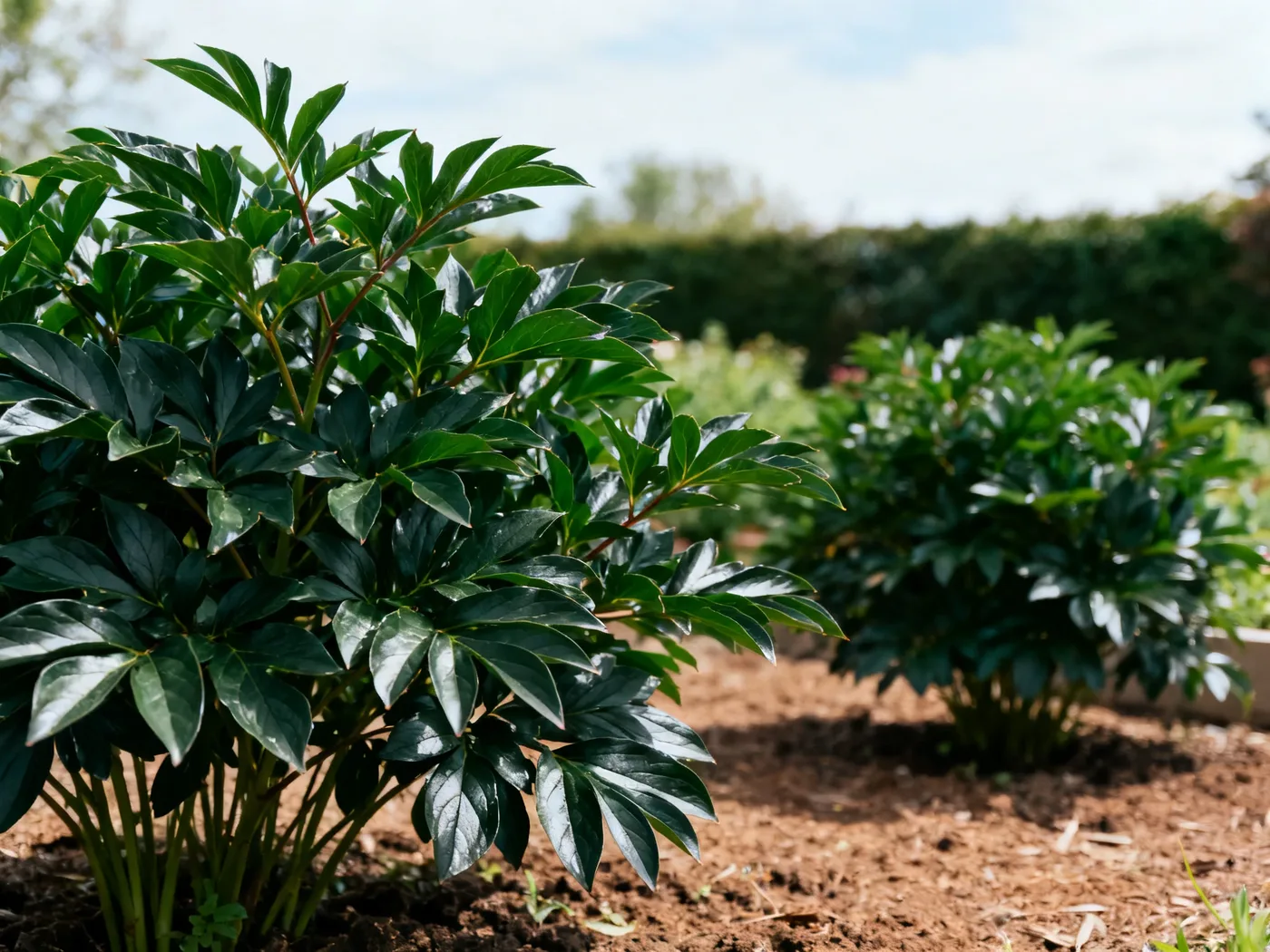
Sarah Bernhardt Peony pairs beautifully with other spring bloomers: bearded iris (similar timing), catmint (Nepeta, good filler), salvia (for color contrast), alliums (globe-shaped accents), and roses (extending bloom into summer). The dark, glossy foliage makes an attractive backdrop after bloom fades. Classic uses include mixed perennial borders, cutting gardens, cottage gardens, foundation plantings, and formal heirloom gardens. The blooms are excellent for cutting; harvest in early morning when buds are just soft and open indoors for a 7-10 day vase life.
Quick Reference: Sarah Bernhardt Peony Care Checklist
| Task | Timing | Details |
|---|---|---|
| Plant | Fall (preferred) or early spring | Eyes 1-2 in. below soil; 3 ft. spacing; full sun (6+ hrs.) |
| Water | During establishment and bloom | Deep watering 1-2x per week if dry; allow soil to dry slightly between |
| Fertilize | Early spring as shoots emerge | Light application of 5-10-10 or bone meal; low-nitrogen |
| Deadhead | During bloom (May-June) | Remove spent flowers just below the bloom; leave foliage |
| Cut back | After first hard frost (late fall) | Cut stems to 2-3 in. above ground; remove all debris |
| Hardiness | Year-round | USDA zones 3-8; afternoon shade beneficial in zones 7-8 |
| Full bloom | Years 3-4 after planting | Pale blush-pink doubles; late spring to early summer; strong fragrance |
Toxicity Note
Sarah Bernhardt Peony is mildly toxic to pets. Dogs, cats, and horses can experience vomiting or diarrhea if they ingest bark, roots, or flowers. While not considered a significant hazard, keep the plant away from animals likely to chew on it, and monitor for signs of GI upset if ingestion occurs. For humans, large ingestion can cause mild stomach upset, though accidental exposure is uncommon.