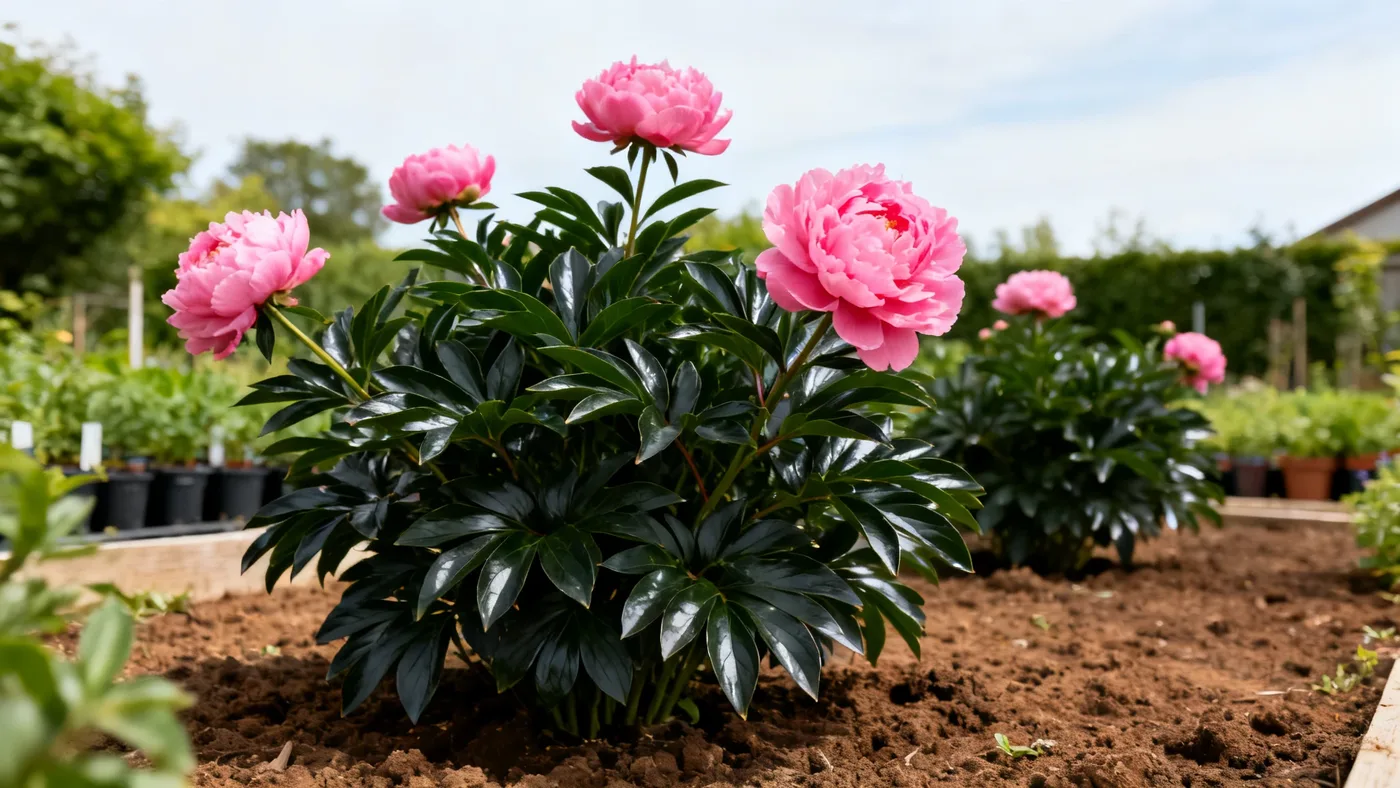
7 Common Sarah Bernhardt Peony Pests and Diseases
Sarah Bernhardt Peony is a resilient plant, but like any perennial, it can fall prey to pests and diseases that weaken foliage, delay blooms, or damage the root system. The good news: most problems are preventable or treatable if you catch them early. This guide walks you through the seven most common issues you may encounter, what to look for, and exactly how to respond.
1. Botrytis Blight (Gray Mold)
Botrytis blight is the disease you'll hear about most often in peony circles, and for good reason. It thrives in wet, humid springs and attacks unopened flower buds first, turning them soft, brown, and fuzzy with gray mold before they ever open. Advanced infections can spread to the stem and foliage, creating a waterlogged appearance and that distinctive musty smell.
Prevention is your strongest defense. Space plants 3 ft apart to allow air circulation. Remove spent blooms as soon as they fade, and cut back all foliage to 2-3 in above ground in fall after frost kills the top growth. If spring weather is unusually wet, thin out emerging shoots in early April so fewer stems compete for air. Avoid overhead watering, which traps moisture on the plant.
When it strikes: Pinch off affected buds and stems as soon as you spot them. Dispose of pruned material in the trash, not your compost pile. Once blooms are open, the mold can't penetrate the petals, so mature flowers are safe. Fungicide sprays are rarely needed for Sarah Bernhardt unless the problem is severe. If you choose to use one, apply sulfur-based products every 7-10 days during humid weather, following label directions closely.
2. Powdery Mildew
Powdery mildew looks exactly as its name suggests: a fine white or gray coating on leaves, stems, and sometimes flowers. Unlike botrytis, which favors wet conditions, powdery mildew prefers warm, dry days followed by cool nights. It rarely kills Sarah Bernhardt but can reduce vigor and make the plant look unsightly.
Good air circulation and spacing remain your best tools. Early morning watering at the soil level (avoiding the foliage) reduces humidity around the leaves. Watch for the first signs of mildew in mid to late summer, when temperatures fluctuate. Some gardeners see mildew appear after pruning, as the fresh foliage is tender and susceptible.
When it strikes: If mildew appears, prune away the most affected leaves to improve airflow through the plant. Neem oil or sulfur dust sprays can help, but timing matters. Apply in early morning or late evening when temperatures are below 85°F, and avoid spraying open flowers. One application usually stops light infections. Repeat every 10-14 days if needed, but most powdery mildew on peonies self-resolves once fall arrives and humidity drops.
3. Leaf Spot (Cladosporium and Graphiopsis)
Leaf spot diseases appear as brown, purple, or black spots with concentric rings on the foliage. They're caused by fungi that spread through water splash and high humidity. Leaf spot rarely harms the overall plant but can make it look shabby and, in severe cases, cause premature leaf drop.
Prevention follows the same pattern as botrytis: space plants properly, avoid overhead watering, and ensure adequate air circulation. Do not handle wet foliage when you're near the plant, as this can spread spores from leaf to leaf. Rake fallen leaves in autumn and discard them to remove a source of infection for next spring.
When it strikes: Remove spotted leaves by pruning them away, working from the bottom of the plant upward. Dispose of the foliage in the trash. Wipe pruning shears with a cloth dampened in rubbing alcohol between cuts to avoid spreading the fungus. Most leaf spot issues stop spreading once dry fall weather arrives. Fungicide sprays are unnecessary for ornamental peonies grown in home gardens.
4. Peony Wilt (Stem Blight)
Peony wilt causes emerging stems and shoots to turn dark and collapse at the base, often right as new growth breaks through the soil in spring. The stem appears water-soaked, then blackens and falls over. This disease is caused by fungi in the soil that enter through the stem base and move upward. Infected shoots will not recover and must be removed.
The risk is highest on plants newly planted or recently divided, especially if the root segments were damaged during digging. Ensure plants are set at the correct depth: the growth eyes should be no more than 1-2 in below the soil surface. Deeper planting invites rot and wilt. Do not overwater in spring; Sarah Bernhardt prefers soil that dries slightly between waterings.
When it strikes: Remove any wilted stems at ground level and discard them. Do not compost diseased material. The plant will usually produce new healthy growth from the crown. Once the soil warms and spring rains slow, the disease pressure drops. If wilt affects most of the emerging shoots, suspect deeper planting or poor drainage and consider carefully digging and replanting the peony at the correct depth in fall.
5. Aphids
Aphids cluster on new shoot tips and flower buds, sucking sap and weakening the plant. You'll notice them as small, pear-shaped insects in shades of green, pink, or black. They also attract ants, which farm aphids for their sugary secretions. While ants on peony buds are harmless to the plant itself, they're a sign that aphids may be present higher up on the stem.
Sarah Bernhardt is generally free of serious aphid outbreaks because the plant's glossy, deeply lobed foliage is not particularly attractive to these pests. However, light aphid infestations can occur. The damage is usually cosmetic: distorted new leaves and a sticky residue on the flower buds.
When it strikes: A hard spray of water from the hose in early morning can dislodge most aphids. Repeat every few days if needed. If aphids persist, insecticidal soap sprayed directly on infested areas will control them quickly. Avoid broad-spectrum insecticides, which kill beneficial insects as well. Once buds begin to open, aphid damage becomes less visible anyway.
6. Thrips
Thrips are tiny, slender insects barely visible to the naked eye, yet they can cause noticeable damage to Sarah Bernhardt blooms. They rasp holes in unopened petals and sepals, leaving silvery, papery scars that become visible when the flower opens. Heavy thrip activity can severely distort the bloom and prevent it from opening cleanly.
Thrips are most problematic during hot, dry springs. They're difficult to spot because they hide inside buds and unopened petals. By the time the flower opens and you see the damage, the thrips have usually moved on or pupated. Prevention involves managing the plant's overall health and removing nearby weeds, which can harbor thrip populations.
When it strikes: There is no effective remedy once thrips have damaged the opened bloom, so focus on prevention. If thrip pressure is severe during bud development, spraying with neem oil or insecticidal soap when buds first appear may help reduce populations. Apply in early morning or late evening. Avoid spraying open flowers. Many gardeners accept light thrip scarring as part of growing peonies in warm climates; the impact on overall plant health is minimal.
7. Scale Insects
Scale insects are armored pests that cling to stems and foliage, appearing as small, waxy bumps in brown, white, or gray. They feed on plant sap and weaken growth over time. Unlike many pests, scale insects move very little, making them easy to spot if you inspect the plant closely. Infestations build slowly but can become severe if left unchecked.
Scale insects are uncommon on Sarah Bernhardt but can occasionally appear on stressed plants or those grown in warm climates. They prefer woody stems and are more likely to settle on tree peonies than herbaceous varieties. Inspect the lower stems and underside of older foliage each spring for the first sign of scale.
When it strikes: Light infestations can be pruned away. Trim out affected stems and discard them in the trash. For more extensive scale problems, horticultural oil spray applied in early spring (when the plant is just beginning to emerge) can smother dormant scale insects. Follow label directions and avoid spraying during extreme heat. A second application 7-10 days later may be needed. Most home gardeners do not encounter scale on peonies frequently enough to require regular treatment.
Quick Reference: Pests and Diseases at a Glance
| Problem | Signs to Watch For | Best Prevention | Quick Action |
|---|---|---|---|
| Botrytis Blight | Brown, fuzzy buds in wet springs | 3 ft spacing, air circulation, cut back in fall | Remove affected buds immediately |
| Powdery Mildew | White coating on leaves, late summer | Good air circulation, watering at soil level | Prune affected foliage, improve airflow |
| Leaf Spot | Brown or purple spots with rings on foliage | Spacing, no overhead watering, fall cleanup | Remove spotted leaves, discard in trash |
| Peony Wilt | Dark, collapsed stems at base in spring | Plant eyes 1-2 in deep, proper drainage | Cut away wilted stems at ground level |
| Aphids | Small green or pink insects on shoots, sticky residue | Healthy plant vigor, good air circulation | Water spray or insecticidal soap |
| Thrips | Silvery scars and papery holes on petals | Manage hot, dry conditions, remove weeds | Prevention during bud stage only |
| Scale Insects | Waxy bumps on stems, slow weakening | Inspect stems in spring, prune if detected | Prune out infested stems or use oil spray |
Staying Ahead of Problems
The foundation of pest and disease management is a healthy plant in the right conditions. Sarah Bernhardt Peony grown in full sun (6+ hours), with well-drained loam, proper spacing, and moderate watering rarely faces serious pest pressure. Most issues arise when plants are crowded, overwatered, or planted too deep.
Walk around your peonies every week or two during the growing season, especially in spring and early summer. Look under leaves, inspect shoot tips, and check buds as they develop. The earlier you spot a problem, the easier it is to manage. For more comprehensive guidance on keeping your Sarah Bernhardt healthy year-round, refer to the complete Sarah Bernhardt Peony care guide.