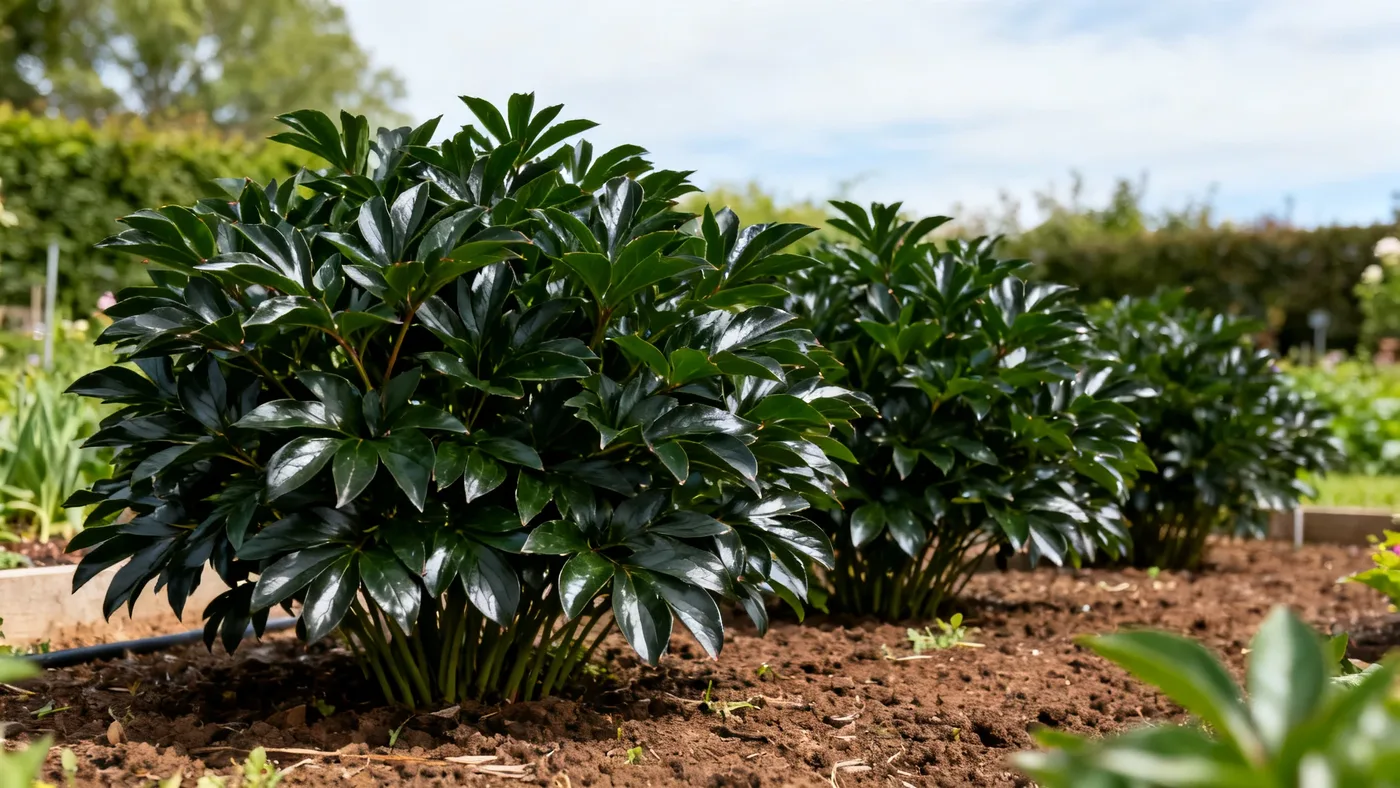
Watering Sarah Bernhardt Peony: A Complete Guide
Sarah Bernhardt Peony is a moderate-water plant, which means it needs consistent moisture but refuses to sit in soggy soil. Many home gardeners swing between two extremes: drowning their peonies or watching them struggle through drought. The truth is simpler than you might think. This guide walks you through the exact watering approach that keeps these showstoppers blooming reliably for decades.
Understanding Sarah Bernhardt Peony's Watering Needs
Sarah Bernhardt Peony requires regular watering during its two critical seasons: when you first plant it, and during its bloom period in late spring to early summer. Once established, which takes roughly 2 to 4 years after planting, this peony tolerates moderate drought without collapse. The key is letting soil dry slightly between waterings, not drying out completely and not staying waterlogged.
The plant prefers a fertile, humus-rich, well-drained loam soil that hovers around neutral pH (6.5 to 7.0). Well-drained soil is not optional; it's what prevents the root rot and botrytis blight that kill peonies faster than almost anything else. Even in rainy climates, proper soil structure makes the difference between a thriving plant and one perpetually fighting fungal disease.
How to Water Your Sarah Bernhardt Peony: Step-by-Step
For Newly Planted Peonies (First Year to Year 2)
- Water immediately after planting. Soak the planting hole thoroughly after the peony is in the ground. This settles soil around the tuberous roots and eliminates air pockets. Water until the soil is moist 4 to 6 inches down.
- Water deeply two to three times per week for the first month. Check soil moisture by pushing your finger into the top 2 inches. If it feels dry, water. Apply 1 to 1.5 inches of water per watering (measure with a rain gauge or straight-sided can placed near the plant). Deep, infrequent watering encourages roots to grow downward, not stay shallow.
- Gradually reduce to once or twice weekly through the first growing season. As the peony becomes established in month 2 onward, space waterings further apart. The plant needs consistent moisture but should not be wet every single day. Reduce frequency if rainfall provides 1 inch or more per week.
- Water at the base of the plant, never overhead. Wet foliage creates ideal conditions for powdery mildew and botrytis blight. Aim water at the soil; if you use a soaker hose or drip line, all the better. This method delivers water directly to roots and keeps leaves dry.
- Water early in the day. Morning watering allows any accidental splash on foliage to dry quickly as temperatures rise. Avoid evening watering, which leaves moisture on leaves overnight and invites fungal disease.
For Established Peonies (Year 3 and Beyond)
- Water during bloom season (May through June) and during dry spells. Once your peony has bloomed for at least two seasons, reduce its water dependence. During its bloom window, provide 1 inch of water per week if rain does not supply it.
- Allow soil to dry slightly between waterings. Push your finger 2 inches into the soil. If it feels moist, do not water. Wait until the top 2 inches feel dry to the touch before watering again. This slight drying strengthens the plant and prevents root rot.
- Monitor rainfall and adjust. Peonies in zones 3 through 8 often receive adequate natural rainfall during their growing season. If your region gets 1 inch or more of rain per week during bloom time, skip supplemental watering. If your area has not received measurable rain in 10 to 14 days, soak the soil thoroughly.
- Reduce watering after bloom fades. Once flowers drop and the peony shifts into foliage maintenance, dial back watering significantly. The plant is redirecting energy to the roots for next year's buds. Water only during extended dry periods (more than 3 weeks without rain) or in very hot climates where afternoon shade can help the plant conserve moisture.
- Stop supplemental watering by mid-August in most zones. This allows the plant to harden off before fall dormancy. Late-season watering can trigger tender new growth that frost will damage.
Seasonal Watering Schedule for Sarah Bernhardt Peony
| Season | Plant Stage | Frequency | Amount / Notes |
|---|---|---|---|
| Spring (March/April, varies by zone) | Shoots emerging, roots active | 2 to 3 times per week if dry | 1 to 1.5 inches per watering; increase if shoots appear; add low-nitrogen fertilizer as shoots emerge |
| Late Spring (May, bloom period) | Buds forming and opening | 1 to 2 times per week | 1 inch per week total; skip if rain provides it; heavy double blooms need consistent moisture to reach full size |
| Summer (June onwards, post-bloom) | Foliage maintenance, root storage | As-needed, reduced | Water only during 3+ week dry spells; allow soil to dry between waterings |
| Fall (August onward) | Dormancy preparation | Minimal to none | Stop supplemental watering by mid-August; natural rainfall is sufficient |
Signs of Overwatering and Underwatering
Overwatering: The More Common Problem
Peonies suffer more often from too much water than too little. Overwatered plants show:
- Yellowing or wilting foliage despite wet soil (a telltale sign of root damage)
- Soft, blackened stems at the base, often near the soil line
- Gray or brown fuzzy growth on leaves or buds, which is botrytis blight and spreads rapidly in wet conditions
- Failure to bloom, or blooms that develop spots and decay before opening
- Foul smell from the soil, indicating anaerobic conditions and root rot
If you suspect overwatering, stop supplemental watering immediately and ensure water drains freely from the planting area. Remove any mulch piled against the stem, as this traps moisture. Do not water again until the soil dries noticeably. If botrytis blight appears, remove affected stems at the base and dispose of them away from the compost. Prune out any diseased foliage above ground.
Underwatering: The Secondary Concern
An established Sarah Bernhardt Peony rarely suffers from true underwatering unless your region experiences severe, prolonged drought. Signs include:
- Smaller-than-expected blooms or fewer flowers
- Leaves that look dull, dusty, or slightly rolled at the edges during peak heat
- Stunted growth in the first season after planting
Underwatering is easily fixed: soak the soil thoroughly to 8 to 10 inches deep, then water more consistently during the bloom window. In the first two years after planting, underwatering is the greater risk because young peonies cannot survive dry soil. After year 3, the plant's deep root system tolerates moderate dry periods.
Common Watering Mistakes to Avoid
Overhead watering. Sprinklers that wet the foliage invite botrytis and powdery mildew, especially in humid springs. Always direct water at the soil.
Watering on a fixed schedule. Set a calendar reminder to check soil moisture, not to water. The "same day every week" approach ignores rainfall and seasonal changes. Soil moisture is the only truth; weather forecasts and rainfall counts inform your decision.
Piling mulch against the stem. A 2 to 3 inch layer of mulch around the base (but not touching the stem) helps soil retain moisture without promoting rot. Keep a 3 to 4 inch gap between the mulch and the crown.
Watering young peonies in late summer. Many gardeners continue watering through August, which signals the plant to keep growing when it should be preparing for dormancy. Taper off by mid-August even if the soil seems dry.
Assuming heavy double blooms need extra water. Double blooms like Sarah Bernhardt's are heavy and may flop, but adding more water does not help them stand taller and increases botrytis risk. Staking and consistent (not excessive) moisture during bloom are the answer.
Tips for Watering Success
Invest in a rain gauge. Knowing exactly how much water your area receives helps you avoid guesswork. Place one near the peony and check it after rain or watering. This takes the emotion out of "Is it wet enough?"
Improve your soil at planting time. If you inherit clay soil or compacted earth, amend with aged compost or peat moss to improve drainage. A peony planted in poor drainage will fail no matter how carefully you water. This is the single best investment you can make.
Use a soaker hose for newly planted peonies. Lay it around the base during year 1. You can set it to deliver water directly to the roots at your preferred time, and it eliminates foliage wetness.
Check soil moisture at 2 inches, not at the surface. The top inch can feel dry even when moisture is present 2 inches down. This prevents both overwatering and unnecessary panic.
Water less in cooler springs, more during dry springs. An unusually wet spring means you may water only once in four weeks. A drought year may require weekly soaking. Be flexible.
Note when bloom peaks in your zone. Sarah Bernhardt Peony blooms in late May to early June, but timing shifts by 2 to 3 weeks depending on your USDA hardiness zone. Concentrate your watering effort around that window.
When to Seek Help
If your peony fails to bloom after three years despite proper watering, the planting depth is likely the culprit, not water. Peonies planted too deep (more than 2 inches below the soil surface) rarely flower. If roots are rotting despite your best efforts to let soil dry, your soil drainage is the problem, not your watering schedule. Consider digging and relocating the plant to raised ground or amending the planting bed deeply before replanting. For persistent fungal disease, your local cooperative extension service can identify the exact pathogen and recommend treatments suited to your region's climate.
Quick Reference: Watering Checklist
| Task | Timeline | Details |
|---|---|---|
| Immediate post-planting soak | Day of planting | Saturate the planting hole; water until soil is moist 4-6 inches down |
| Frequent watering (newly planted) | First month | 2 to 3 times per week; 1 to 1.5 inches per watering; check soil moisture first |
| Establish routine watering | Month 2 through Year 2 | Once or twice weekly; allow top 2 inches to dry between waterings |
| Bloom-season focus | May through June (varies by zone) | 1 inch per week if rain does not supply it; water at base only |
| Post-bloom reduction | Late June onward | Water only during 3+ week dry spells; let soil dry between waterings |
| Taper off completely | Mid-August onward | Stop supplemental watering; allow plant to harden off |
| Check for botrytis or wilting | Anytime during growing season | If foliage shows gray fuzz or stems look soft/black at base, stop watering and prune affected parts |
For more detailed peony care, see the complete Sarah Bernhardt Peony care guide, which covers planting depth, fertilizing, pruning, and seasonal maintenance to keep your peonies thriving for decades.