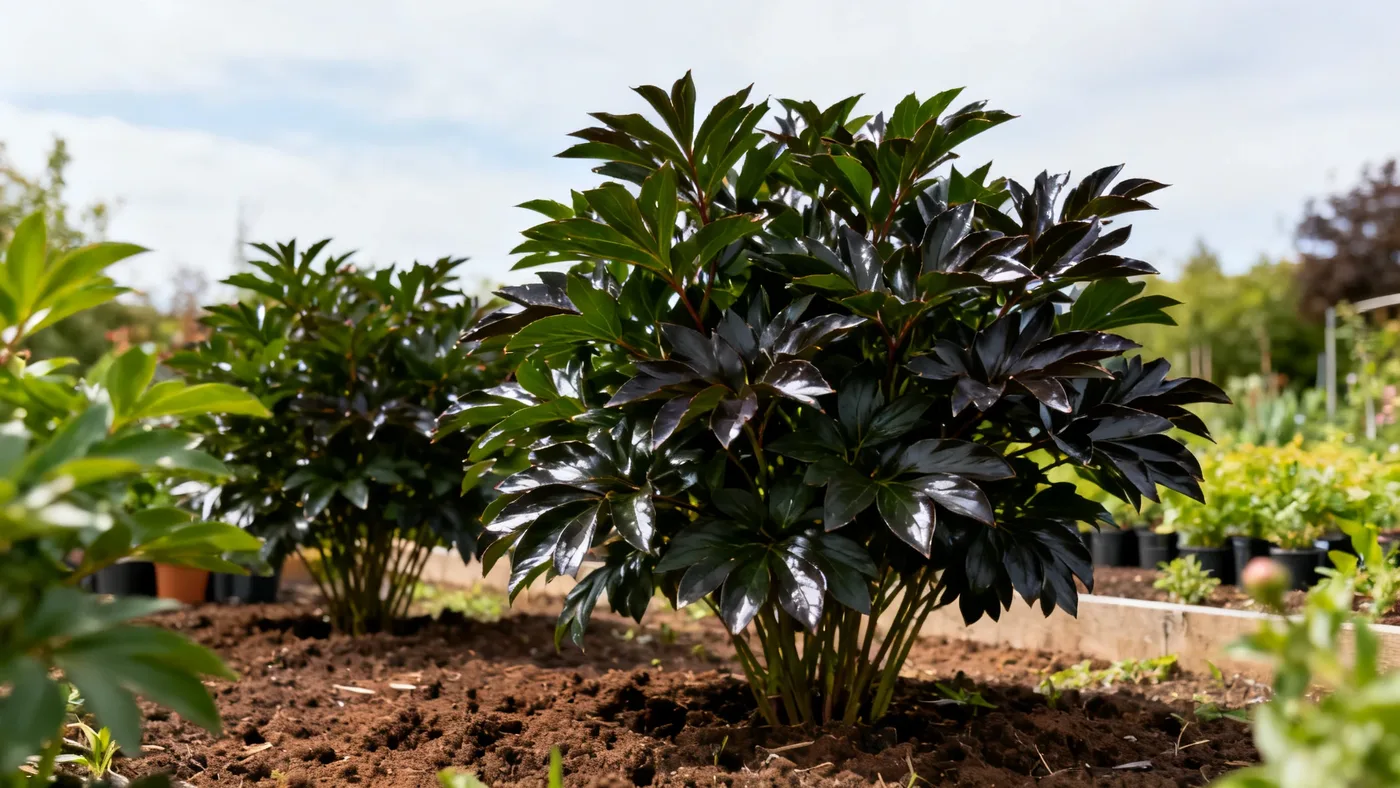
Pruning and Cutting Back Sarah Bernhardt Peony
Sarah Bernhardt Peony benefits from two different pruning routines: deadheading flowers during the bloom season and cutting the plant back to ground level each fall. These tasks are simple but important. Deadheading redirects the plant's energy away from seed production and into the roots, which strengthens the plant for next year. The fall cutback removes dead foliage and prevents disease carryover. Both tasks take just a few minutes, and you do not need special skills or equipment to do them well.
Why Prune Your Sarah Bernhardt Peony
Sarah Bernhardt is a herbaceous peony, which means the entire aboveground growth dies back to the ground each fall and regrows fresh in spring. Unlike woody plants that keep a permanent framework, your peony will vanish by November and emerge anew every April. This cycle gives you two natural pruning windows: one during bloom to manage flowering and one in fall to clean up the spent foliage.
Deadheading (removing spent flowers) tells the plant to stop investing energy in making seeds and instead funnel that energy into root growth. Stronger roots mean better establishment, more vigorous spring growth, and fuller bloom displays in years to come. The fall cutback removes diseased or damaged leaves and stems before they can harbor pests or pathogens over winter.
When to Deadhead Sarah Bernhardt Peonies
Sarah Bernhardt blooms in late spring to early summer, typically May or June depending on your zone (USDA zones 3-8). Begin deadheading as soon as the flowers start to fade. You will know a bloom is spent when the petals become papery, lose their color, and start to dry or curl. Do not wait until the flower has completely browned; that is the signal to remove it.
Deadhead consistently throughout the bloom window. If your plant produces flowers over 2-3 weeks, keep an eye on it every few days and remove faded blooms as they appear. If you are cutting flowers for arrangements indoors, you are already deadheading the plant, so focus on removing any blooms left on the stem.
Materials You'll Need
Pruning Sarah Bernhardt Peony requires very little. Gather these items before you start:
- Hand pruners or garden shears (sharp, clean)
- Pruning saw (for the fall cutback only, if stems are very thick)
- Work gloves (optional, but protects hands from thorns on spent seed pods)
- A bucket or basket for collecting cuttings
- Pruning alcohol or 70% isopropyl alcohol (to wipe tools if moving between plants, to reduce disease spread)
Clean your pruning tools before using them. Wipe the blades with a dry cloth or lightly sand them if they show rust or dried plant matter. Sharp, clean cuts heal faster and reduce the risk of tearing bark or leaving ragged edges where disease can enter.
How to Deadhead Spent Blooms During the Season
Deadheading is the easier of the two pruning tasks and takes only seconds per flower.
- Identify the spent flower. Look for blooms that have lost their color, have papery petals, or are beginning to droop. The flowers will feel dry to the touch.
- Locate the cut point. Follow the flower stem down to where it meets the leafy portion of the plant. You will see a small cluster of leafy bracts (modified leaves) at the base of the flower stem. Cut just below this cluster, typically about 0.5 to 1 inch below the flower head.
- Make a clean cut. Use hand pruners to snip the stem at a 45-degree angle (or straight across; both work equally well). Do not crush or tear the stem. One smooth cut is better than multiple attempts.
- Remove the entire flower cluster if it grew as a group. Sarah Bernhardt sometimes produces side buds below the main bloom. If you remove only the central flower and leave side buds, you can enjoy additional blooms without removing the entire flower cluster. If those side buds look weak or you prefer to focus all energy on root growth, remove the whole cluster at once.
- Dispose of the pruned material. Drop the spent flowers into your bucket. You can compost them if your pile reaches hot temperatures, or place them in yard waste for pickup. Do not leave them on the ground, as fallen petals can trap moisture and encourage fungal issues.
Repeat this process as new flowers fade throughout the bloom season. If you deadhead consistently, you should see the plant remain lush and healthy, and it will produce steady new growth into late summer before beginning to prepare for dormancy.
How to Cut Back Peonies in Fall
The fall cutback is more substantial. It happens after the first hard frost has killed the foliage. In zones 3-8, this occurs anywhere from late September through November, depending on your exact location and weather patterns.
- Wait for the first hard frost. Do not cut the plant back while foliage is still green or partially green. The leaves are still feeding the roots and building carbohydrate reserves for next spring. Once frost has blackened or browned the entire above-ground portion, you are ready. The foliage will look wilted and may show bronze or maroon tints before it fully collapses.
- Cut all stems to 2-3 inches above the soil line. This is the critical measurement. Using pruners or a small saw, cut each stem as close to the ground as you can while staying above the crown (the thick, knobby base where the roots meet the stem). Leaving 2-3 inches of stem stub is intentional; it marks where the plant is and makes it easier to find and avoid disturbing the crown when you clean up or work nearby next spring.
- Remove all cut stems and foliage from the bed. Put everything in your bucket or bag. Do not leave dried leaves and stems on top of the crown. Fallen foliage can mat down and trap moisture, creating conditions favorable for fungal diseases like botrytis blight. A clean bed over winter is a healthy bed.
- Inspect the crown. Once the stems are removed, look at the crown and the surrounding soil. If you see any debris, dead leaves, or decomposing plant matter pressed against the crown, gently remove it by hand or with a small brush. The crown should be clean and dry.
- Dispose of all cuttings responsibly. Do not compost peony foliage if it shows any spots, discoloration, or signs of disease. Dispose of it in yard waste or bury it away from the garden. Healthy foliage without spots can go in your compost if your pile reaches 140°F or higher.
After cutback, your peony bed will look bare. This is normal and expected. The plant will remain dormant underground until spring, when new stems will emerge from the crown.
Common Pruning Mistakes to Avoid
Cutting back too early. The biggest mistake is removing green foliage in early fall. If you cut before frost kills the foliage, you remove the leaves the plant is using to feed itself. Wait for that first hard freeze. Your plant will tell you when it is ready.
Cutting too low or damaging the crown. Do not scalp the plant or cut directly at soil level. Cutting too low can damage the tender crown. Always leave 2-3 inches of stem to protect the crown and to give you a visual marker for the location of the plant.
Leaving foliage on the crown over winter. Dead leaves trapped against the crown create a perfect environment for mold and fungal rot. Take time to remove all debris and ensure the crown is clean and dry before winter sets in.
Deadheading or pruning diseased foliage with the same unwashed tools across multiple plants. If you are working across a garden with several peonies or nearby plants, wipe your pruner blades with alcohol after each plant. This simple step stops disease from spreading.
Removing all growth in spring, thinking the plant is dead. In late April or early May, you will see small red or pink shoots emerging from the crown. These are new stems, not weeds. Do not remove them.
What to Expect After Cutting Back
After you finish deadheading and fall cutback, your Sarah Bernhardt will rest over winter. The plant will not show any visible growth above ground. Roots are active underneath the soil, even in cold months, especially in zones where ground does not freeze solid. This underground activity is part of the plant's normal cycle and means the plant is preparing for spring emergence.
In spring, you will see new shoots push through the soil within a few weeks of the last frost date. These shoots will grow into leafy stems 30-36 inches tall (or occasionally up to 38 inches in ideal conditions). Blooms will appear on the tips of mature stems around late May or June, depending on your zone.
Pruning does not guarantee larger or more abundant blooms in the coming year. Plant age, soil fertility, sunlight, and water all influence flowering. However, consistent deadheading and fall cleanup support long-term plant health and vigor. Peonies are very long-lived perennials that commonly thrive for 20-50 years or longer with minimal care. Good pruning practices contribute to that longevity. For detailed seasonal care, including fertilizing and watering schedules, refer to the complete Sarah Bernhardt Peony care guide.
Quick Reference: Pruning Schedule and Tasks
| Season | Task | When | Specifics |
|---|---|---|---|
| Late Spring to Early Summer | Deadhead spent blooms | May-June; as flowers fade | Cut spent flower 0.5-1 in below sepal cluster. Remove entire flower stalk or side buds if desired. |
| Summer | Monitor for faded blooms | Throughout season | Check every few days. Remove any remaining faded flowers to redirect energy to roots. |
| Fall | Cut back entire plant | After first hard frost kills foliage (Sept-Nov, depending on zone) | Cut all stems to 2-3 inches above soil line. Remove all dead foliage and debris from crown. |
| Winter | Monitor crown | Ongoing | Ensure no debris or fallen leaves trap moisture against crown. Clear any buildup. |
| Spring | No pruning needed | Late April-May | New shoots will emerge from crown. Do not remove them. |