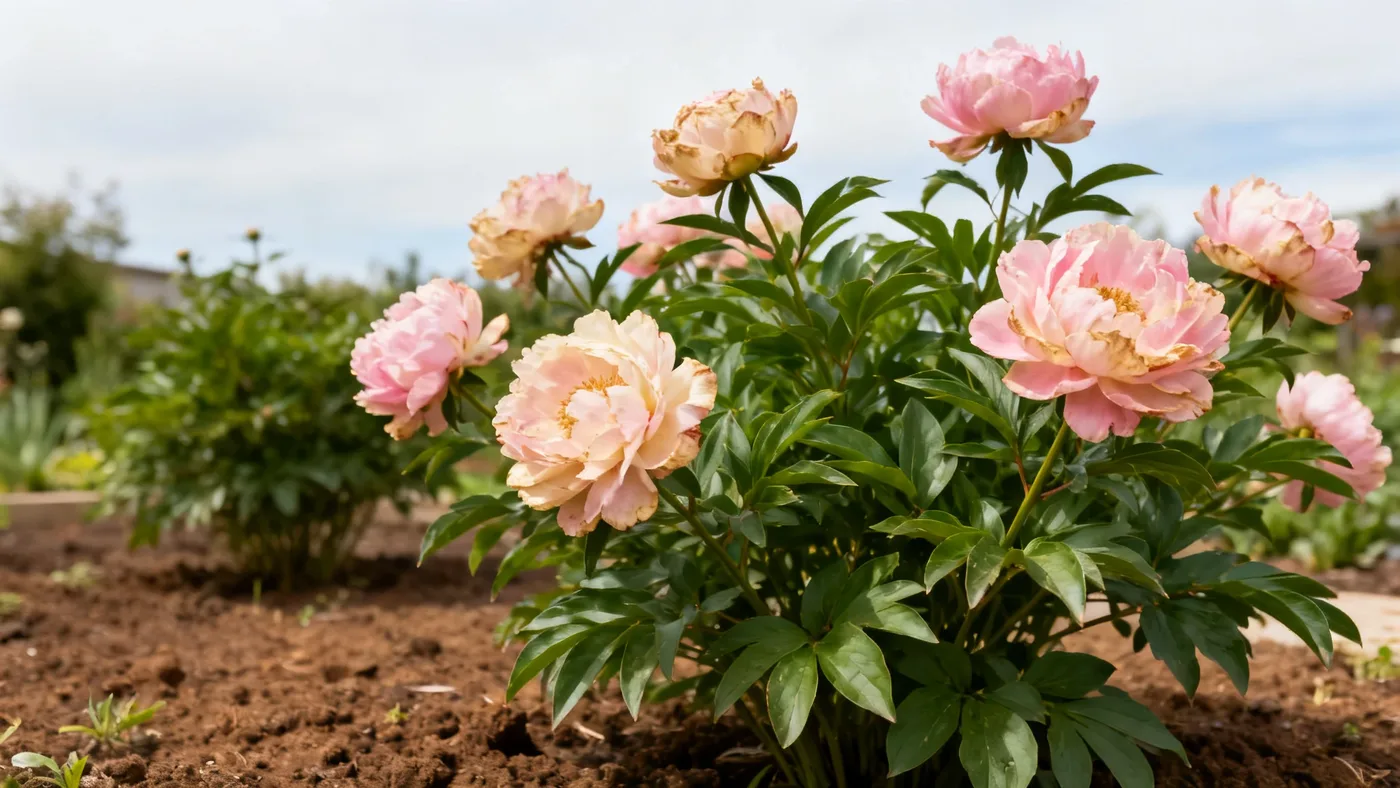
Sarah Bernhardt Peony Bloom Time and Flower Color Guide
If you are planting a Sarah Bernhardt Peony this fall, you are probably wondering what to expect from your flowers. When will they bloom? What shade of pink will they be? How do you know if your plant is thriving by its flowering? Right now, as planting season begins, is the perfect time to set realistic expectations and plan your garden layout around this classic peony's blooming schedule.
Sarah Bernhardt Peonies have been prized in cottage gardens and cutting gardens for generations, and their reliable blooms are part of that enduring appeal. Understanding the bloom timeline will help you enjoy this plant to its fullest and avoid common disappointments.
When Do Sarah Bernhardt Peonies Bloom?
Sarah Bernhardt Peonies bloom in late spring to early summer, typically during May and June. The exact timing varies by your USDA hardiness zone. In zone 3 and colder northern areas, you can expect blooms in late May to early June. In zones 7 and 8, flowering often arrives earlier, sometimes reaching peak bloom by mid-May. In zone 6, the bloom window typically falls in late May.
These dates are not guaranteed to the day, as spring weather swings matter. A warm April will push bloom forward. A late frost or cool, wet spring may delay flowers by a week or two. Local factors like your microclimate, soil temperature, and afternoon shade all influence the exact date your peonies break into flower.
The bloom period itself is not a single day. From the moment the first petals unfurl to the time the last flowers fade, plan on 2 to 3 weeks of continuous blooms on a mature plant. This extended window makes Sarah Bernhardt Peonies valuable for seasonal color.
Bloom Color: Pale Pink to Barely Pink
Sarah Bernhardt Peony flowers are pale blush pink when they first open. This is not a vivid magenta or hot pink. It is a soft, romantic shade that looks lovely against the plant's dark green, glossy, deeply lobed foliage. The color sits in that subtle range that pairs well with other late-spring bloomers like bearded iris, catmint, and roses.
As the flowers age, they fade lighter. By mid-bloom, the petals become almost white with just a trace of pink at the base or center. This color shift is normal and does not indicate a problem with the plant. It is simply how this cultivar ages. If you are planning a color scheme, account for this evolution: your border will transition from soft pink to nearly white over the course of the bloom season.
The double blooms are full and ruffled, packed with layers of petals. This fullness makes the paler color read as elegant rather than washed out. The fragrance is strong and sweet, with a classic rose-like scent that smells even better than the soft flowers look.
Year 1 to 3: Expecting Less, Getting More
This is the most important section for new gardeners. Do not plant a Sarah Bernhardt Peony expecting a full show of flowers in year one. The plant needs time to establish its root system before it can support prolific blooming.
In year 1 and year 2 after planting, Sarah Bernhardt Peonies will produce light bloom. You may see only a few flowers, or blooms may be smaller and fewer than the catalog photos suggest. This is not failure. It is the plant prioritizing root establishment over flower production. This phase is temporary.
By year 3 and into year 4, the plant reaches closer to full mature size and begins producing the abundant double blooms that make Sarah Bernhardt Peonies famous. The mature height is 30 to 36 inches, sometimes reaching 38 inches in ideal conditions. At full maturity, you can expect robust flowering each May or June for decades.
Peonies are slow to moderate growers overall. The herbaceous top growth regrows fully each spring from the underground tubers, but the plant needs roughly 2 to 4 years after planting to reach its full mature size and peak bloom potential. Plan your border with this timeline in mind. Do not remove a plant after year 2 thinking it has failed. Peonies reward patience.
Bloom Reliability and Fragrance
Once established, Sarah Bernhardt Peonies are reliable bloomers year after year with minimal care. The flowers have strong, sweet fragrance that fills the garden and lasts well in cut arrangements. Many gardeners grow this cultivar specifically for cutting. The long stems and full double flowers are ideal for bouquets, and the blooms can last 1 to 2 weeks in a vase with fresh water and a cut-flower preservative.
Deer rarely browse peonies, and established plants show good drought tolerance once their root system is developed. The flowering habit is consistent from year to year once the plant matures, making Sarah Bernhardt Peony a low-maintenance choice for a perennial border.
How Sunlight Affects Bloom Performance
Sarah Bernhardt Peonies perform best in full sun, meaning 6 or more hours of direct sunlight per day. The more sun the plant receives, the more robust the flowering tends to be. Full-sun planting encourages the strongest stem structure and the most abundant flower production.
In hot southern zones (zones 7 and 8), light afternoon shade is actually helpful. It can prolong the bloom period by protecting delicate petals from intense heat, which causes flowers to fade faster. Afternoon shade in the South may also reduce stress on the plant during hot summers.
Avoid planting in deep shade. Peonies in shade will produce fewer blooms, weaker stems, and lighter, more sparse flower display overall. If your garden space is partly shaded, aim for morning sun with afternoon protection rather than the reverse.
Seasonal Planning: What to Do Before Bloom Time
Fall and winter are when you plant Sarah Bernhardt Peonies, so you are doing this now if you are reading this in late September or October. Fall planting allows the plant time to establish roots before winter and get a head start on spring growth. Aim to plant by mid-October in most zones so the plant has 4 to 6 weeks of cool soil temperatures to develop roots before the ground freezes.
When you receive a nursery-grown Sarah Bernhardt Peony, it will likely be in a quart, #1, or #3 container. Plant it so the eyes (growth buds) are no more than 1 to 2 inches below the soil surface. Planting the eyes too deep is the number one reason peonies fail to bloom. This is critical.
In early spring as shoots emerge, apply a light fertilizer rich in phosphorus, such as bone meal or a balanced formula like 5-10-10. Avoid excess nitrogen, which promotes foliage over blooms. Once the plant is established, minimal fertilizing is needed.
Some gardeners use peony rings or supports to prevent heavy double blooms from flopping on the ground during rain. Sarah Bernhardt Peony stems are strong, but the weight of fully double flowers can bend them. A simple tomato cage or peony ring placed over the plant in early spring, when stems are 6 to 8 inches tall, prevents this elegantly and is nearly invisible by bloom time.
What About Ants on the Buds?
You may notice ants crawling on peony buds in spring. Peonies secrete a sugary substance that attracts ants, but the ants are harmless to the plant and actually beneficial as they feed on other small pests. You do not need to spray or treat the plant. Simply brush ants off before bringing flowers indoors if they bother you, but otherwise leave them be.
Companion Planting for Bloom Season
Sarah Bernhardt Peonies bloom alongside many classic spring perennials. Bearded iris, catmint (Nepeta), and alliums bloom in the same late-spring window and pair beautifully with the pale pink double flowers. Roses that bloom in May and June also work well. For a more naturalistic look, try pairing peonies with baptisia or salvia species that flower at the same time. Spacing is important: plant peonies 3 feet apart, center to center, to give them room to mature and allow good air circulation around the stems.
Quick Reference: Sarah Bernhardt Peony Bloom Timeline
| Timeline | Details |
|---|---|
| Year 1 after planting | Light bloom or no flowers. Plant focuses on root establishment. |
| Year 2 after planting | Light to moderate bloom. Flowers smaller or fewer than mature plant. |
| Year 3-4 and beyond | Full, mature blooms reach peak. Abundant double flowers, consistent year to year. |
| Bloom season timing | Late May to early June (zone 6). Mid-May to late May (zones 7-8). Late May to early June (zone 3-5). |
| Bloom duration | 2 to 3 weeks from first petal to fade on a mature plant. |
| Flower color | Pale to blush pink when opening, fading to nearly white by mid-bloom. |
| Fragrance | Strong, sweet, rose-like scent throughout bloom season. |
| Stem height at maturity | 30 to 36 inches (sometimes up to 38 inches in ideal conditions). |
| Sunlight for best bloom | Full sun (6+ hours). Light afternoon shade beneficial in zones 7-8. |
| Eye depth when planting | No more than 1 to 2 inches below soil surface. |
Looking Ahead: Multi-Year Color Planning
If you are planting Sarah Bernhardt Peonies for the first time, remember that you are investing in a plant that will bloom reliably for decades. Peonies commonly live 20 to 50 years or more in the landscape with minimal care. Your first-year blooms may be modest, but patience pays off. By year 4, you will have a stunning plant that produces armloads of pale pink, fragrant flowers every May and June without fail.
For detailed care instructions beyond bloom time, see the complete Sarah Bernhardt Peony care guide, which covers planting depth, watering, deadheading, winter pruning, and troubleshooting common issues.