The History Behind the Sarah Bernhardt Peony Name
In 1906, a French breeder's nursery released a double pink peony into the trade. It was named for the most famous actress of the day, and it has not left the catalogs since. That is 120 years in 2026.
Customers ask us the same few things about it. Who was Sarah Bernhardt? Why did a flower get her name? Is the plant I am buying really the 1906 original?
This article talks about the origin of the Sarah Bernhardt peony name and answers the questions customers ask us most. Read on to learn who introduced it, who the actress was, how the cultivar has held its place, how to spot true stock, and what a plant this old needs from you.
In 1906 Lemoine Introduced a Double Pink
The facts of the introduction are short, so we list them first. The details after the list explain what each one means for a plant in your yard.
- Year: 1906.
- Breeder: Lemoine, a French nursery.
- Species: Paeonia lactiflora, the Asian species behind most garden peonies.
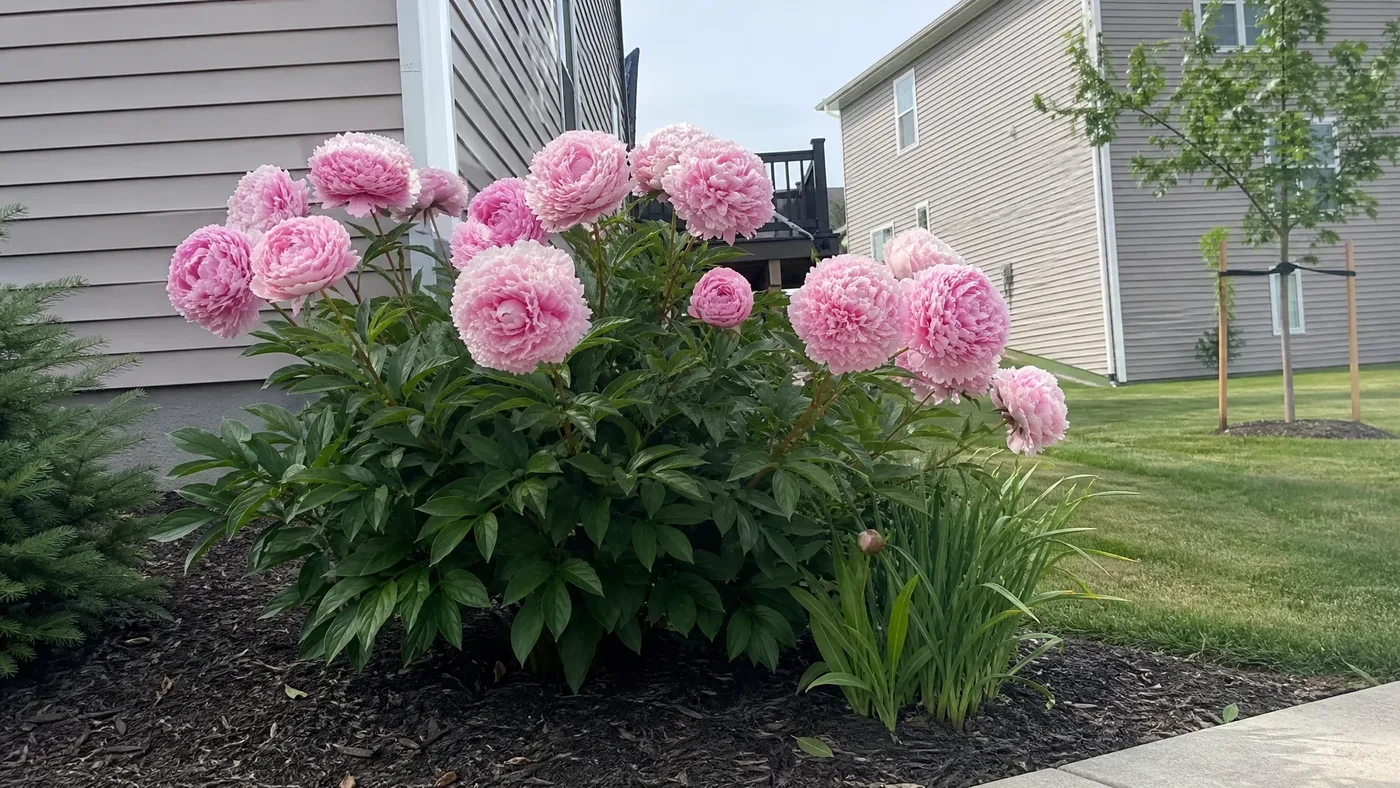
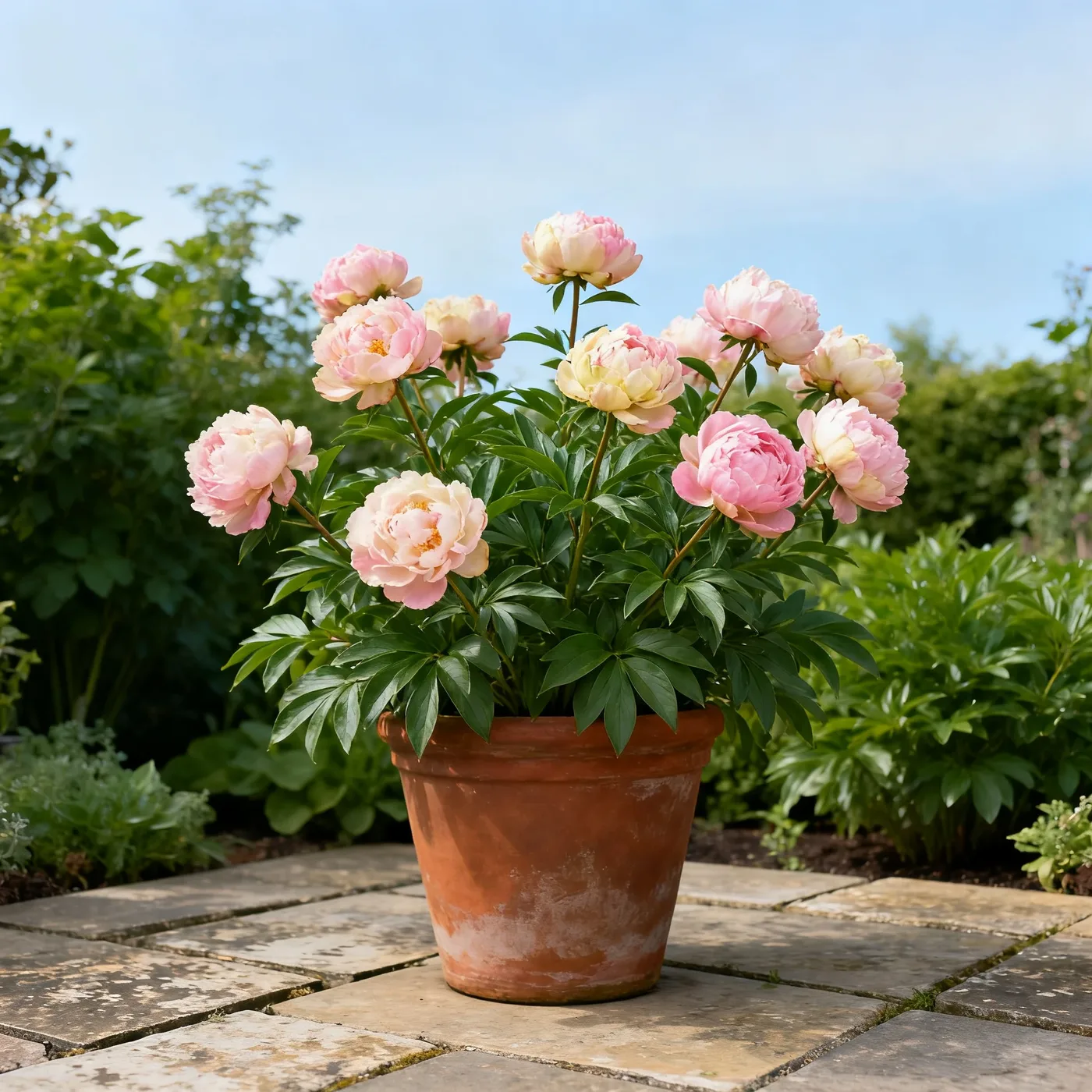
- Flower: a big, double, rose-pink bloom about 8 inches across, and fragrant.
- Habit: a clump that reaches about 35 inches tall.
The species matters. Most garden peonies derive from Paeonia lactiflora, a plant native to Asia and cultivated for centuries before any European breeder touched it. Lemoine did not invent the peony. The nursery selected one seedling out of that long line and gave it a name.
Plainly put, the cultivar is a big double pink, reliable bloomer, and fragrant plant. Those traits explain why it was kept and sold, while many of its contemporaries were dropped.
We will not tell you which two plants were crossed to make it. We do not have a source we trust for that, and we would rather leave it blank than guess.
Two Names in One Label
The label carries two stories. The genus name, Paeonia, is the classical Greek name for peony and comes from Paean, the physician to the gods in Greek myth. The cultivar name, 'Sarah Bernhardt', is French and belongs to a real person. One name is about two thousand years older than the other, and they sit together on every tag.
The Actress Behind the Sarah Bernhardt Peony Name
Sarah Bernhardt was a French stage actress. By the time this peony appeared she was famous well beyond France, and her name was shorthand for theatrical glamour. People knew her as a performer who did everything at full volume.
A showy pink double suits that reputation. The flower is large, ruffled and unapologetic. Its petals pack into a full, rounded head that looks staged even in an ordinary border.
Why the Name Fit the Flower
Think about what a nursery wanted in 1906. A catalog sold on paper, and a name had to do the work that a photograph does now. A famous name told a buyer to expect drama, and the plant delivered it.
We cannot tell you the actress chose this peony or approved it. Nothing we can verify says so. What the record supports is simple: a celebrated woman's name went on a celebrated flower, and both stayed in public view.
How to Read the Name on a Tag
The surname is French, so the last syllable is soft. You will also see the cultivar written in full as Paeonia lactiflora 'Sarah Bernhardt', with the name in single quotes. Quote marks mean it is a named cultivar, not a species.
The plain name on a tag is fine for nursery use. Just check that the tag gives the full cultivar name, not "pink peony."
Why Victor Lemoine Named Flowers for Celebrities
Victor Lemoine ran the nursery that introduced this plant. One of the most common questions we get is whether naming a peony for a famous person was unusual. It was not. French nurseries of that era gave their introductions human names, and many of the old peony cultivars still sold carry them.
The classic pink cultivars make the point. 'Felix Crousse', 'Sarah Bernhardt', 'Karl Rosenfield', 'Kansas' and 'Monsieur Jules Elie' sit side by side. Four of those five read as a person's name or title.
What a Person's Name Did for Sales
A personal name did three jobs at once. It was easy to remember, easy to write on an order, and it carried the buyer's opinion of the person onto the plant. A peony called 'Sarah Bernhardt' sold itself to anyone who had seen her on a poster.
This was marketing, and good marketing, but the plant had to hold up for it to last. Most did not. Plenty of named peonies from the same decades are gone from the trade, because a famous name gets a buyer to try a plant once and only the plant brings them back.
Why the Name Outlived the Fashion
Names tied to a moment fade when the moment does. This one persisted because the flower still performs. Gardeners who never heard of the actress still ask for it by name, because a neighbor grew it or a grandmother did.
That is the difference between a name that sold a plant once and a name that sold it for 120 years.
A Century Later, Sarah Bernhardt Peony Still Sells
The numbers here are about time, not sales charts. We do not have sales statistics to quote, and we will not make any up. What we can count is how long the plant has been available and how long a single plant lives.
| Measure | Figure |
|---|---|
| Year introduced | 1906 |
| Years in the trade as of 2026 | 120 |
| Hardiness range | Zones 3 to 8 |
| Time to establish and reach full production | 3 to 5 years |
| Lifespan of a planted clump | Decades |
The hardiness figure comes from a public garden listing for this cultivar, which gives zones 3 to 8. That is a wide range for a plant with such a delicate look, and it helps explain why it traveled so far from France. Our hardiness zones and climate guide covers where it does best inside that range.
The same reliability keeps it in demand. Peonies sit where they are planted and get better, so a buyer who is happy with one plant tends to order more of the same cultivar later. Few perennials give a gardener that kind of confidence.
What Cut-Flower Growers Value
Cut-flower growers rely on it for the same reason. Large, fragrant double heads on a plant that does not fuss is a short list of traits, and this cultivar holds all of them.
The bloom window is brief. A single plant flowers for about two weeks in late spring to early summer, so the display is an event, not a season. Many customers tell us that two weeks of rose-pink doubles is exactly why they plant one more clump.
Spotting Authentic Sarah Bernhardt Peony Stock Today
A name that sells for 120 years attracts imitators. A root cannot be identified by eye, so authenticity comes down to who you buy from and what the plant does once it blooms. The tag is often the only evidence of what you bought.
What to Ask Before You Buy
Start with the seller, not the root. Ask these questions:
- Is the full cultivar name on the tag, not just "pink peony" or "double peony"?
- Does the seller grow the plants, or relabel stock bought from others?
- Will they tell you how the plant was propagated and how old it is?
- Does the description match the real flower: rose-pink, double, fragrant, about 8 inches wide?
A bare root and a potted plant both can be genuine. Our bare root versus potted comparison explains how each arrives and what to expect.
What to Check When It Blooms
The first bloom is your proof. True Sarah Bernhardt is rose-pink, fully double, and fragrant. If yours opens white, single, or a deep red, the plant is something else.
The closest lookalike is Monsieur Jules Elie, another classic pink double. We compare the two in our side-by-side guide. Photograph your first flower and compare it before you decide the label was wrong. Young plants often bloom smaller and paler than a mature clump.
What a Century-Old Cultivar Needs Now
Age gives a plant a track record and a few quirks. The track record is good. The quirk is stems, since older cultivars from the 19th and early 20th centuries often have weak stems and poor floral carriage. Heavy double heads on a 1906 plant can flop in rain.
Plan for that from the start. Give the clump a ring or grid support in spring before the stems lengthen, and do not wait until the buds are heavy. In our rows, the plants that get a support early are the ones that stay upright through a wet week in bloom.
Light, Soil and Spacing
Choose full sun, meaning at least six hours of direct light. The cultivar tolerates partial shade, but extension sources name too much shade as a key reason peonies fail to flower. Our planting guide walks through depth and timing, which decide whether you get flowers at all.
The cultivar is easygoing about soil. It grows in chalk, clay, loam or sand, and in acid, alkaline or neutral conditions. Drainage matters more than pH, so avoid spots where water stands.
The mature clump spreads roughly 20 to 39 inches. Extension sources give 3 to 4 feet between plants as a common spacing, and that gives air to the foliage.
The Waiting Years
A young plant takes time. Utah State notes that peonies take 3 to 5 years to establish and come into full production. The table below sets out what that looks like year by year.
| Stage | What to expect |
|---|---|
| Year 1 | The root settles. Few or no flowers. |
| Years 2 to 3 | Growth thickens. Blooms start, often small. |
| Years 3 to 5 | Full production. Heads reach their true size. |
| Year 5 onward | A mature clump that lasts decades. |
Resist the urge to move the clump during those years. When the time does come to share it, our guide to division covers how to do it without setting the plant back.
Sarah Bernhardt Peony: A 1906 Legacy in Your Garden
The story is simple. A French nursery introduced a rose-pink double in 1906 and gave it the name of a famous actress. The flower earned its place on its own, which is why you can still buy the same cultivar in 2026.
For your garden, that history means three things. Buy from a grower who labels the full cultivar name. Support the stems early, because old doubles are heavy. Be patient for the first three to five years and leave the clump where it is.
The numbers are what stay with us. The cultivar has been in cultivation for 120 years, from 1906 to 2026. Planted this year, your clump should be in full production around 2031, and a plant that lasts decades can keep flowering long after that, outlasting the person who planted it.
Sarah Bernhardt Peony
Nursery-grown Sarah Bernhardt Peony in sizes from #2, shipped to your door.
From $74.56
Shop Now →A name like Sarah Bernhardt deserves a plant that lives up to it, so ours sit in full sun on our farms, a good fit for zones 3 to 8. We raise every plant we sell ourselves, from trees and shrubs to grasses and perennials, and only top-quality stock leaves the farm. If this 1906 story has you wanting a clump of your own, have a browse through the peonies we are growing this season.