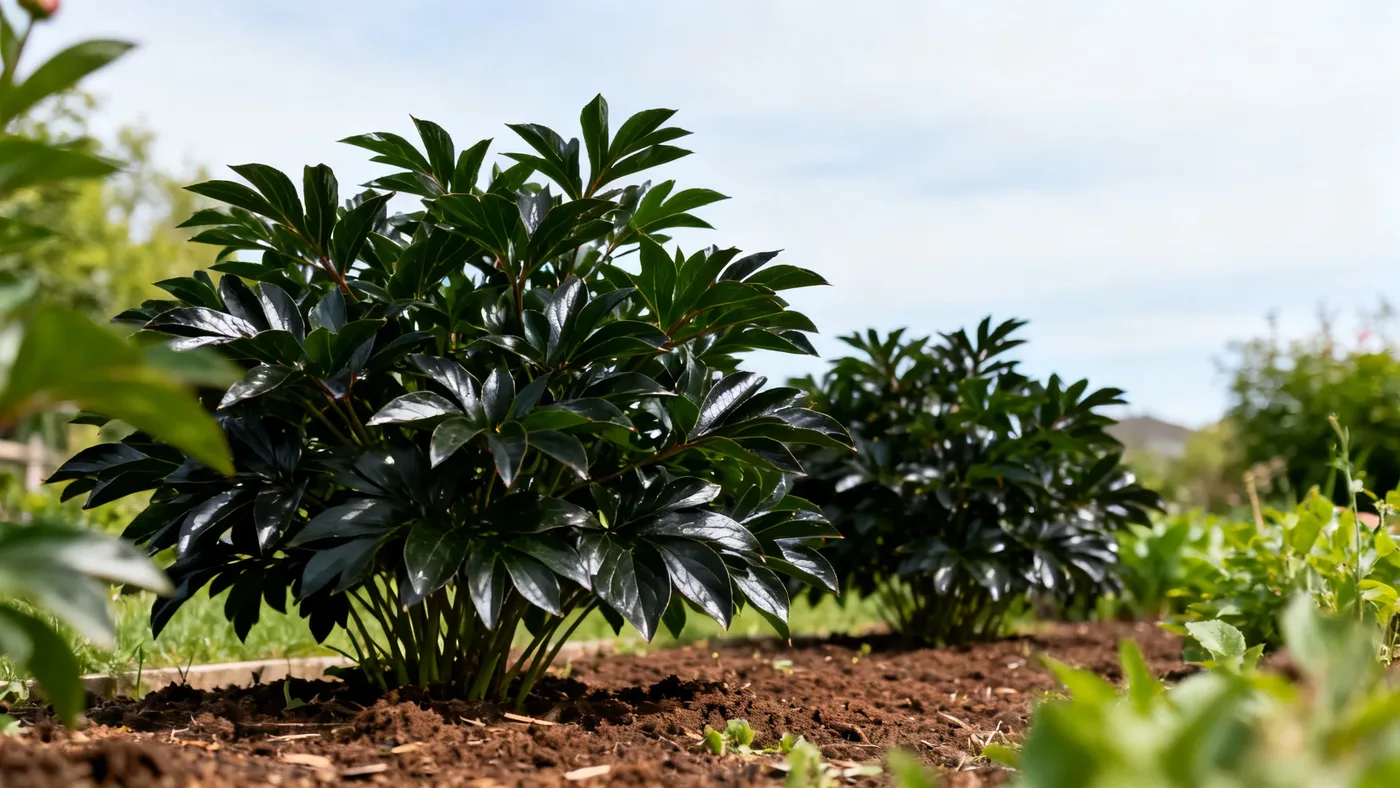
Sarah Bernhardt Peony Hardiness Zones and Climate Needs
Plant Sarah Bernhardt in the wrong climate and you wait years for a plant that flops, rots or never blooms. Plant it where it belongs and it gives back fragrant, rose-pink double flowers about 8 inches across, spring after spring, for decades. Climate decides which of those you get.
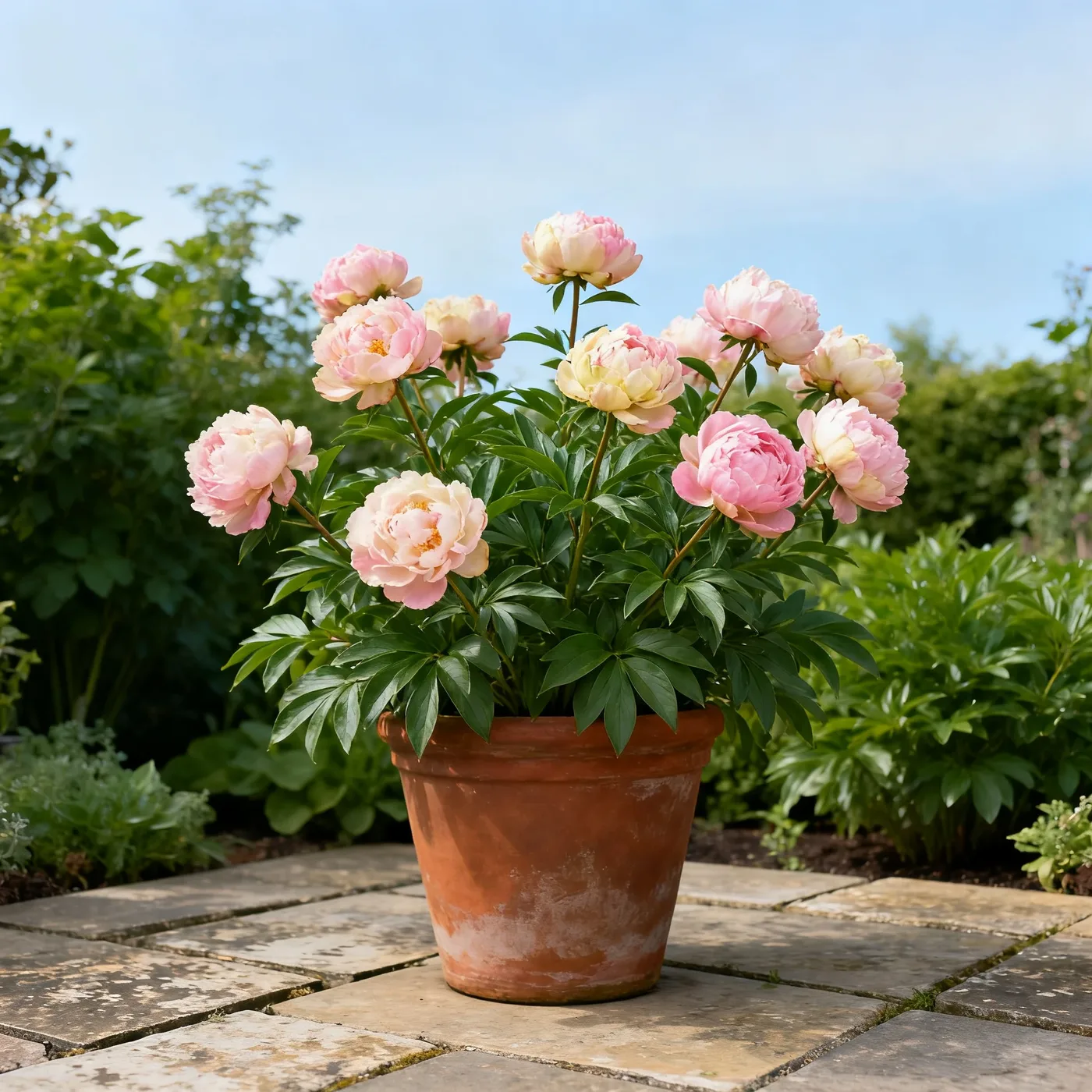
This article talks about hardiness zones and climate needs for Sarah Bernhardt Peony and answers the questions customers ask us most. Read on to learn how it handles winter lows, frost on spring shoots, wet weather, summer heat and the right time to plant, in the order the seasons arrive.
Our growers see the same pattern every year. Zone numbers get you started, but drainage and a little afternoon shade decide whether a plant thrives.
Winter: Sarah Bernhardt Peony Hardiness and Dormancy
Winter is the season this peony needs. Follow these steps to match your zone, protect the roots without smothering them, and read your own microclimate.
What USDA hardiness zones can Sarah Bernhardt Peony grow in?
Sarah Bernhardt Peony is hardy in zones 3 through 8. This means it tolerates winter lows ranging from -40 degrees Fahrenheit (zone 3) down to the average minimum winter temps in zone 8 (around 10-20 degrees F). Once established, the plant's tuberous roots survive hard freezes and regrow fully each spring, so cold winters are not a threat to survival.
Zone ratings vary by source. NC State says garden peonies do best in zones 5–7 but can grow in zones 3–8. What we tell customers is to treat zones 5–7 as easy and zones 3–4 and 8 as workable with the care below. One of the most common questions we get is whether zone 3 is really safe, and our answer is yes if you pick a sheltered spot.
Do I need to protect Sarah Bernhardt Peony plants over winter?
No winter protection is required in zones 3-7. In zone 8, light mulch applied after the first hard frost can protect the soil surface and slow thaw cycles that cause frost heave, but it is not essential. The herbaceous foliage naturally dies back to the ground after frost, so you simply cut the stems to 2-3 inches above soil level in fall and leave the root system undisturbed.
Common advice says to pile mulch over the crown every fall. We don't. The buds need winter chill to set flowers, and a thick blanket keeps the crown damp, so we stick to the light zone 8 mulch described above.
Can I grow Sarah Bernhardt Peony in zone 2?
Sarah Bernhardt Peony is not rated for zone 2. Extreme zone 2 winters (lows below -40 degrees F) exceed the plant's cold tolerance. If you garden in zone 2, consult your local extension service about herbaceous peonies that perform better in your region.
Can I grow Sarah Bernhardt Peony in a container if I live in a marginal zone?
Possible in large containers (15 gallons or bigger), but not ideal long-term. Container-grown peonies are more exposed to temperature extremes and root-zone drought or waterlogging. Container peonies in marginal zones (zone 8 or the cold limit of zone 3) are best kept in a protected location or moved to a sheltered microclimate during winter.
How do I know if my microclimate is warmer or colder than my zone rating?
Microclimates are created by proximity to buildings, slope aspect, wind exposure, and nearby water. South-facing walls and low-lying areas with cold-air pooling are warmer and colder, respectively. Observe what survives in nearby gardens or ask your local extension service to identify your actual microclimate, which may shift you half a zone warmer or colder than the official zone map.
Spring: Shoots, Frost, and Wet Weather for Sarah Bernhardt
Spring brings red shoots, late frosts and the first damp weather. Use these steps to ride out each one and to know when to expect flowers.
How quickly will Sarah Bernhardt Peony re-emerge in spring after a harsh winter?
Shoots emerge reliably as soil temperatures warm in spring, regardless of how cold the previous winter was. Growth is driven by warming soil and day length, not by winter severity. The plant typically regrows fully each season, and roots stored energy supports this regeneration even after the coldest winters.
Do temperature fluctuations in spring affect blooming?
Yes, late spring frosts can damage open blooms or developing buds, but established Sarah Bernhardt Peony recovers and blooms again the following year. Hard freezes after shoots have emerged are unlikely to kill the plant itself. If a late frost zaps emerging shoots, the plant may produce secondary (weaker) blooms later in the season as a compensation response.
Does Sarah Bernhardt Peony need special care in humid, wet springs?
Yes, humid, wet springs increase the risk of botrytis blight (gray mold). The disease thrives in cool, damp conditions and affects developing flower buds and emerging shoots. Plant Sarah Bernhardt Peony in well-drained soil, avoid overhead watering, and space plants at least 3 feet apart to allow air circulation between them.
What is botrytis blight and how do I recognize it?
Botrytis is a fungal disease that causes gray, fuzzy mold on flower buds, leaves, and stems. Affected buds fail to open, or petals show brown water-soaked spots. It occurs during prolonged wet weather in spring, especially in areas with poor air flow or overcrowded plantings. We often see it first on plants crowded against a fence.
Good drainage and spacing are the best prevention, and affected stems can be pruned off at the base. Our guide to common Sarah Bernhardt Peony pests and diseases covers the rest.
When does Sarah Bernhardt Peony bloom by zone?
Bloom time is late spring to early summer, typically May-June, but the exact timing varies by zone. In colder zones (3-4), bloom may not occur until late May or early June. In warmer zones (7-8), blooms may arrive as early as mid-May. Check your local extension service or nearby public gardens to see when peonies bloom in your specific zone.
How long does Sarah Bernhardt Peony bloom?
Each plant blooms for about two weeks in late spring to early summer, according to NC State. Cool weather stretches that window and heat shortens it. Cut stems for the vase in the bud stage, when the buds feel soft like marshmallows, and they last several days longer than open blooms. Our bloom time and flower color guide goes deeper on timing.
Summer: Heat, Shade, and Watering for Sarah Bernhardt Peony
Summer heat is the second climate test. Give the plant afternoon relief in the south and steady, not soggy, moisture.
Can Sarah Bernhardt Peony grow in zone 9 or hotter?
Sarah Bernhardt Peony is not rated for zone 9 or warmer. Zones beyond 8 have average minimum winter temperatures above 10 degrees F, and more importantly, those regions often lack sufficient winter chill. Peonies need a cold period to set flower buds for the following spring, and prolonged mild winters interrupt this cycle.
What happens if I try to grow Sarah Bernhardt Peony in a zone warmer than 8?
Plants may survive but blooming becomes unreliable or fails entirely. Without adequate cold exposure, the plant does not accumulate the chilling hours needed to trigger flowering hormones in the tuberous roots. You may see foliage and weak growth but few or no flowers, making the planting landscape-wise disappointing.
Does Sarah Bernhardt Peony need afternoon shade in hot southern zones?
Yes, in hot southern zones (zone 8 especially), light afternoon shade is helpful. Shade extends bloom time and reduces stress on double flowers in peak heat. Plant where it gets 6 or more hours of sun in the morning and lighter, filtered shade in the afternoon. Avoid solid all-day sun in zone 8 if you are in a region with consistently hot, dry springs.
Afternoon shade keeps petals fresher longer and delays bloom maturity, so flowers hold their color and structure better over a longer period. Without shade, double flowers may wilt or brown at the petal edges more quickly in intense heat. The trade-off is that blooming is slightly delayed and sometimes produces fewer total flowers, but the ones that do open are longer-lasting.
Many guides say peonies want full sun at all costs. We don't follow that in zone 8. The plant accepts full sun or partial shade, and a few hours of filtered light in the afternoon do more good than harm. Our sun requirements guide has more on exposure.
How often should I water Sarah Bernhardt Peony?
Water regularly during establishment (the first 1-2 years) and during bloom time to keep soil consistently moist but not soggy. Once established, allow soil to dry slightly between waterings. Avoid wet feet, meaning standing water or compacted soil that does not drain. Reduce watering in summer after bloom ends, since the plant enters dormancy as soil dries and cools naturally.
Can too much water damage Sarah Bernhardt Peony roots?
Yes, waterlogged soil kills tuberous roots through root rot. The roots need oxygen, which is depleted in waterlogged conditions. If your site stays wet even after rain or watering, amend the soil with compost to improve drainage, plant on a raised mound, or choose a different site. Wet feet are the most common reason peonies decline.
Fall: Soil, Planting Time, and Getting Sarah Bernhardt Established
Fall is when you plant, so this is where you set the plant up for decades. Work through timing, soil and the long wait for full size.
When is the best time to plant Sarah Bernhardt Peony in my zone?
Fall planting is preferred and works well in all zones 3-8. Early spring planting of potted stock also works but gives less time for root establishment before the first bloom push. In zones 3-4, fall planting (September-October) is ideal so roots can settle before winter dormancy. In zones 7-8, fall planting (October-November) is still preferred but spring planting is more forgiving of the shorter dormancy window.
For the full step-by-step, read How to Plant Sarah Bernhardt Peony for Big Spring Blooms. Set the buds just below the soil surface, because planting too deep is a classic reason a healthy plant won't flower. Space plants 3 to 6 feet apart so air can move between them.
What soil conditions matter most for hardiness?
Well-drained, fertile, humus-rich loam is ideal across all zones, but this cultivar copes with acid, alkaline and neutral soil. We don't chase an exact pH with lime or sulfur. Soil quality, not zone, is often the limiting factor in peony survival. Poor drainage is worse than cold in damaging peonies, so invest in amending soil before planting rather than relying on zone rating alone. Our soil and drainage guide shows how.
Can I grow Sarah Bernhardt Peony in sandy soil?
Sandy soil is not ideal because it drains too quickly and lacks the organic matter needed for fertility. Add 2-3 inches of compost before planting to improve water retention and nutrient content. In sandy climates, you will need to water more frequently during establishment and bloom, especially in hot zones.
Should I amend my soil differently based on zone?
Soil amendment is about drainage and fertility, not zone. Work compost or aged manure into the planting hole across all zones. In zones with heavy clay (regardless of regional location), add extra compost and consider raising the planting mound. In sandy zones, incorporate organic matter to retain moisture. Zone does not change these best practices.
How long before a newly planted Sarah Bernhardt Peony reaches full size in my zone?
Plan on 2–5 years after planting to reach its mature height of up to about 35 inches and produce peak bloom. This timeline is similar across all zones, because cold does not significantly slow a healthy, well-sited plant. Light bloom is often visible in year 1 or 2, but full flower production signals maturity. Customers often ask us if the wait is worth it, and every spring we say it is.
Is Sarah Bernhardt Peony worth planting if I'm at the zone edge?
Yes, if you are in zone 3 or zone 8, Sarah Bernhardt Peony is still hardy and worth growing. A peony planted once keeps blooming for decades, which makes it a smart investment even in marginal zones. If you are beyond zone 8 or colder than zone 3, check with your extension service for cultivars better suited to your climate.
Quick Reference: Sarah Bernhardt Peony Hardiness and Climate Guide
Use this table as a quick check on the numbers that matter most through the year.
| Climate Factor | Requirement or Recommendation |
|---|---|
| Hardiness Zones | 3-8, best in 5-7 (zone 3 lows: -40F, zone 8 lows: 10-20F) |
| Winter Protection | None needed in zones 3-7, optional light mulch in zone 8 |
| Sun Requirement | 6+ hours daily, afternoon shade helpful in zone 8 |
| Soil Type | Well-drained, fertile, humus-rich loam |
| Soil pH | Acid, neutral or alkaline, drainage matters more than pH |
| Watering | Regular during establishment and bloom, allow drying between waterings |
| Spacing | 3-6 feet apart, center to center |
| Mature Size | Up to about 35 inches tall by 20-39 inches wide |
| Bloom Time | Late spring to early summer (May-June, varies by zone) |
| Years to Maturity | 2-5 years after planting for peak bloom |
| Botrytis Risk | Higher in wet, humid springs, prevent via spacing and drainage |
| Container Growing | Possible in 15+ gallon containers but not ideal long-term |
Sarah Bernhardt Through the Seasons: What to Remember
Give Sarah Bernhardt a real winter, a bare crown and a well-drained spot, and it will return every spring. Watch for botrytis in wet springs, add afternoon shade in zone 8, and plant in fall so roots settle before the cold. For month-by-month upkeep, read The Complete Sarah Bernhardt Peony Care Guide.
Sarah Bernhardt Peony
Nursery-grown Sarah Bernhardt Peony in sizes from #2, shipped to your door.
From $74.56
Shop Now →As a small grower, we care about getting climate right because a peony is a long promise, and a wrong zone or a soggy bed breaks it quietly. We grow and sell top-quality plants from our own farms, and we want every Sarah Bernhardt you plant to bloom for decades.