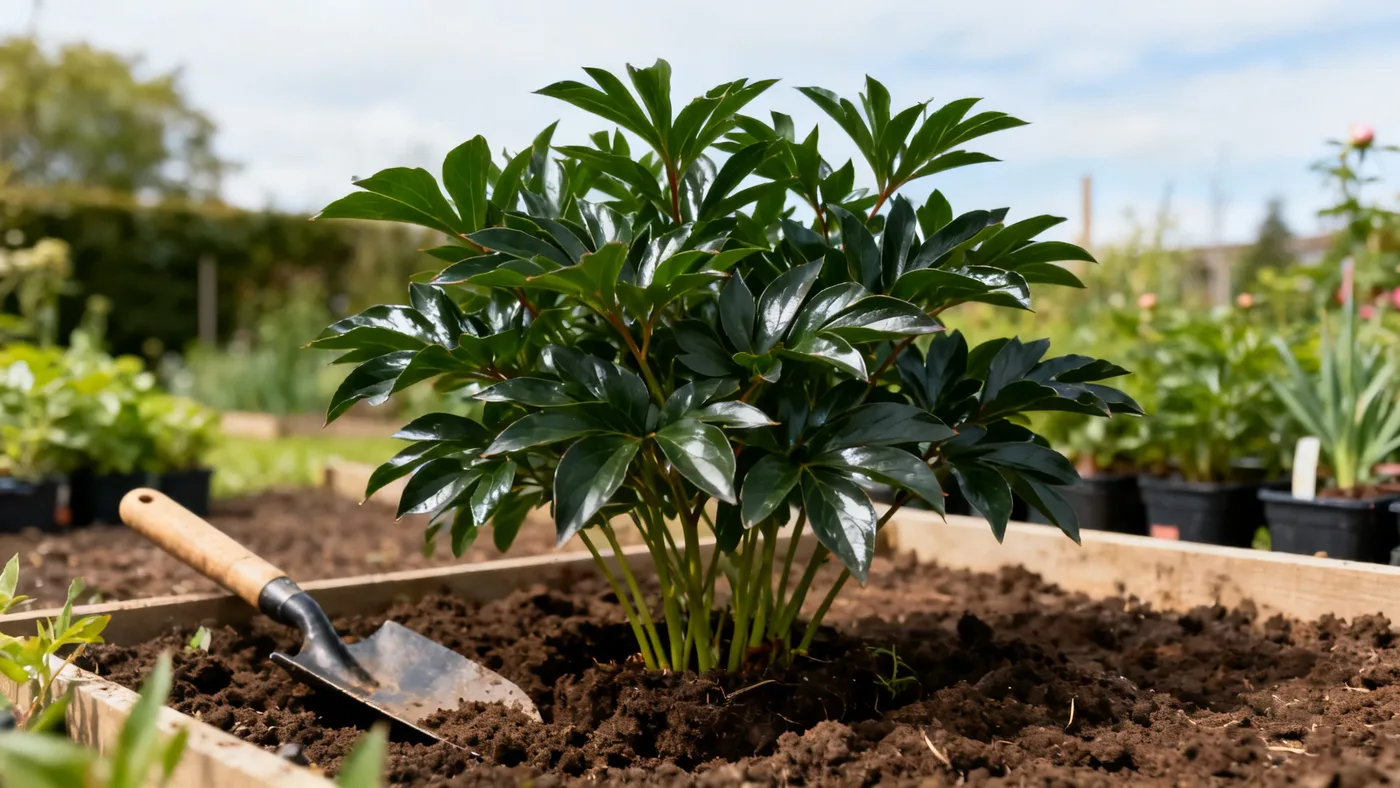
Buying Sarah Bernhardt Peony: Bare Root vs Potted Plants
Sarah Bernhardt Peony (Paeonia lactiflora 'Sarah Bernhardt') is one of the most beloved double pink peonies for home gardens, but finding the right plant at the right stage and size matters. Whether you're starting a cutting garden, filling a perennial border, or looking for that heirloom peony to anchor a landscape, the form you buy, bare root or potted, shapes everything from planting timing to bloom expectations. This guide walks you through what to look for, why size matters, and where to source healthy plants.
Bare Root vs Potted: What's the Difference?
The two forms you'll encounter are bare root divisions and potted plants, and each has distinct advantages.
Bare root divisions are dug dormant peonies that have been cleaned of soil, then packaged for shipping or immediate planting. You're buying the tuberous root system with visible eyes (shoot buds) but no soil or foliage. Bare root peonies are lighter to ship, typically less expensive, and thrive when planted in fall, which is the preferred season for bare root establishment. The trade-off: they must go in the ground promptly and require immediate, careful handling. If those eyes dry out before planting, the division won't grow.
Potted plants are nursery-grown peonies sold in containers (usually quart, #1, or #3 gallon sizes), with active foliage and an established root ball. They're more forgiving to plant because the soil around the roots buffers against shock. Potted peonies can go in the ground in early spring or, in a pinch, into summer, so they offer scheduling flexibility. The downside: they cost more per plant and are heavier to transport.
Most home gardeners find bare root divisions offer the best value if you can plant in early fall or late September. Potted stock is the safer choice if you're planting in spring or early summer, or if you're new to peonies.
Size Matters: Choosing the Right Plant
Sarah Bernhardt Peony reaches a mature height of 30 to 36 inches, with some specimens reaching up to 38 inches in ideal conditions. When fully established, it spreads 24 to 36 inches wide. This matters because it tells you how much space you need and what to buy.
For bare root purchases: Look for divisions with 3 to 5 visible eyes. A single eye can grow, but a division with more eyes establishes faster and gives you blooms sooner. The root portion should feel firm and not soft or spongy. Avoid tiny, undersized divisions; they take longer to reach mature flowering size.
For potted purchases: A #1 container (roughly 1 gallon) is the minimum to look for. A #3 container (3 gallons) is ideal because it means a larger, more mature root system. Container-grown plants should have dark green, healthy foliage with no yellow leaves, wilt, or pest damage. Gently tip the pot to check the root ball: dense, light-colored roots indicate a healthy plant. Avoid potted plants sitting in wet soil or showing roots circling the bottom (severely root-bound).
Years to bloom: A newly planted bare root division or potted plant will produce light blooms in year one or two after planting, but full, mature blooms typically take 3 to 4 years. If you want immediate impact, source a larger potted plant, but be prepared to wait for the classic full Sarah Bernhardt flower. This patience pays off: once established, peonies live 20 to 50 years or more with minimal care.
Quality Indicators: What to Look For
Whether bare root or potted, certain visual cues tell you a plant is worth buying.
Bare root divisions: Eyes should be pink, firm, and distinct, not shriveled or blackened. The root should be pale to tan, never mushy or black. Split or broken roots are acceptable; peonies regenerate. What matters is that the division came from a healthy, pest-free parent plant and was stored in cool, slightly damp conditions to prevent desiccation. Ask the nursery how long the bare root has been stored; fresher is better.
Potted plants: Foliage should be glossy, dark green, and full. A plant with only a few thin stems or sparse leaves may have been stressed or shipped poorly. Check both sides of the leaves for aphids, thrips, or scale insects; peonies can occasionally host these pests, and you don't want to introduce problems into your garden. The soil should be moist (not soggy) and smell fresh, not musty or ammonia-like. A plant that smells sour or has visible mold on the soil surface has root problems and should be avoided.
Container conditioning: A healthy peony in a pot will have new growth, not old, fading stems. If the foliage is still in its spring flush and the plant looks vigorous, you're buying at the right time. Avoid end-of-season discounts on peonies that look tired; they're tired for a reason.
Price Points and What to Expect
Sarah Bernhardt Peony prices vary by size, source, and season.
Bare root divisions: Typically range from $15 to $35 per division depending on division size and the nursery's reputation. A standard 3-to-5-eye division at a regional nursery costs $20 to $30. Mail-order divisions may be slightly less expensive but add shipping costs, which can be substantial for bare root plants.
Potted plants: Quart pots ($20 to $40), #1 containers ($30 to $60), and #3 pots ($50 to $100) are typical retail ranges. Specialty nurseries or large retail chains may offer competitive pricing but variable quality. Heirloom or mail-order selections often command premium prices ($40 to $75) because they focus on cultivar authenticity and plant vigor.
The cheapest option is not always the best. A $20 bare root division from a reputable nursery is a better investment than a poorly-stored $15 one. Similarly, a $50 #1 potted peony from a specialty grower often outperforms a $25 discount-box version in survival rate and vigor.
Red Flags to Avoid
Bare root: Do not buy a bare root peony that has been sitting in a warm place or exposed to air for weeks. Eyes should not be shriveled or soft. If the roots are mushy or smell fermented, the division has rotted in storage. Avoid extremely small or single-eye divisions from sellers unless they're heavily discounted and you have years of patience.
Potted: Reject any plant with yellowing foliage, visible pests, or wilted leaves. A potted peony sold in summer heat without consistent water management will be stressed even if it survives. Avoid plants with roots completely circling the inside of the pot, as they've been in the container too long and may struggle to break into garden soil. Watch for mold on the soil surface or a sour smell, both signs of root disease.
Both forms: Be wary of extremely cheap bulk offers from unknown online sellers. Peonies are hardy, but they can be mishandled in transit or stored in poor conditions. Verify the seller's return policy and reputation. If a peony arrives damaged or diseased, you want the option to replace it.
Where to Buy Sarah Bernhardt Peonies
Local garden centers and specialty nurseries: The advantage here is you see the plant before you buy. A local nursery can advise on soil conditions and hardiness for your zone (Sarah Bernhardt Peony thrives in USDA zones 3 through 8). Staff can help you choose the size that fits your landscape and answer questions about planting depth (a critical detail: eyes should be no more than 1 to 2 inches below soil surface, or the plant won't bloom). The downside is limited selection, though reputable local nurseries often special-order bare root peonies in fall.
Mail-order nurseries: Offer greater selection of cultivars and divisions. Established mail-order peony specialists have refined their shipping and handling to keep bare root and potted plants healthy in transit. Shipping costs are real, but the diversity of inventory often justifies it. Request a spring or fall shipment window to avoid hot summer transit.
Online garden retailers: Vary widely in quality. Buy from established, review-backed retailers that clearly describe plant size and age. Read reviews from other customers about arrival condition and plant health. Avoid impulse purchases from marketplaces without detailed return policies.
What to confirm before buying: Ask the nursery whether the plant is bare root or potted, the division size (for bare root) or container size (for potted), the expected bloom timeline, and their guarantee or return policy. Reputable growers stand behind their plants.
Planting Timeline and Next Steps
Once you've selected and purchased your Sarah Bernhardt Peony, timing your planting matters. Fall is the preferred season for bare root divisions because they establish roots before winter. Early spring is the best window for potted plants, though spring-planted peonies need consistent moisture their first season. For detailed instructions on planting, spacing (3 feet apart, center to center), soil preparation, and long-term care, see the complete Sarah Bernhardt Peony care guide.
Quick Reference: Buying Checklist
| Factor | Bare Root | Potted |
|---|---|---|
| Best planting season | Fall (September-October) | Early spring or spring |
| Typical size at purchase | 3-5 eyes per division | Quart, #1, or #3 container |
| Typical price range | $15-$35 per division | $20-$100 depending on container |
| Time to first bloom | Year 1-2 (light), Year 3-4 (full) | Year 1-2 (light), Year 3-4 (full) |
| Handling requirement | Plant immediately or keep moist | Plant within days; more forgiving |
| Visual health check | Firm eyes; pale tan roots; no mold | Dark green foliage; firm root ball; no wilting |
| What to avoid | Shriveled eyes; mushy roots; old stock | Yellow leaves; pests; root-bound; musty soil |