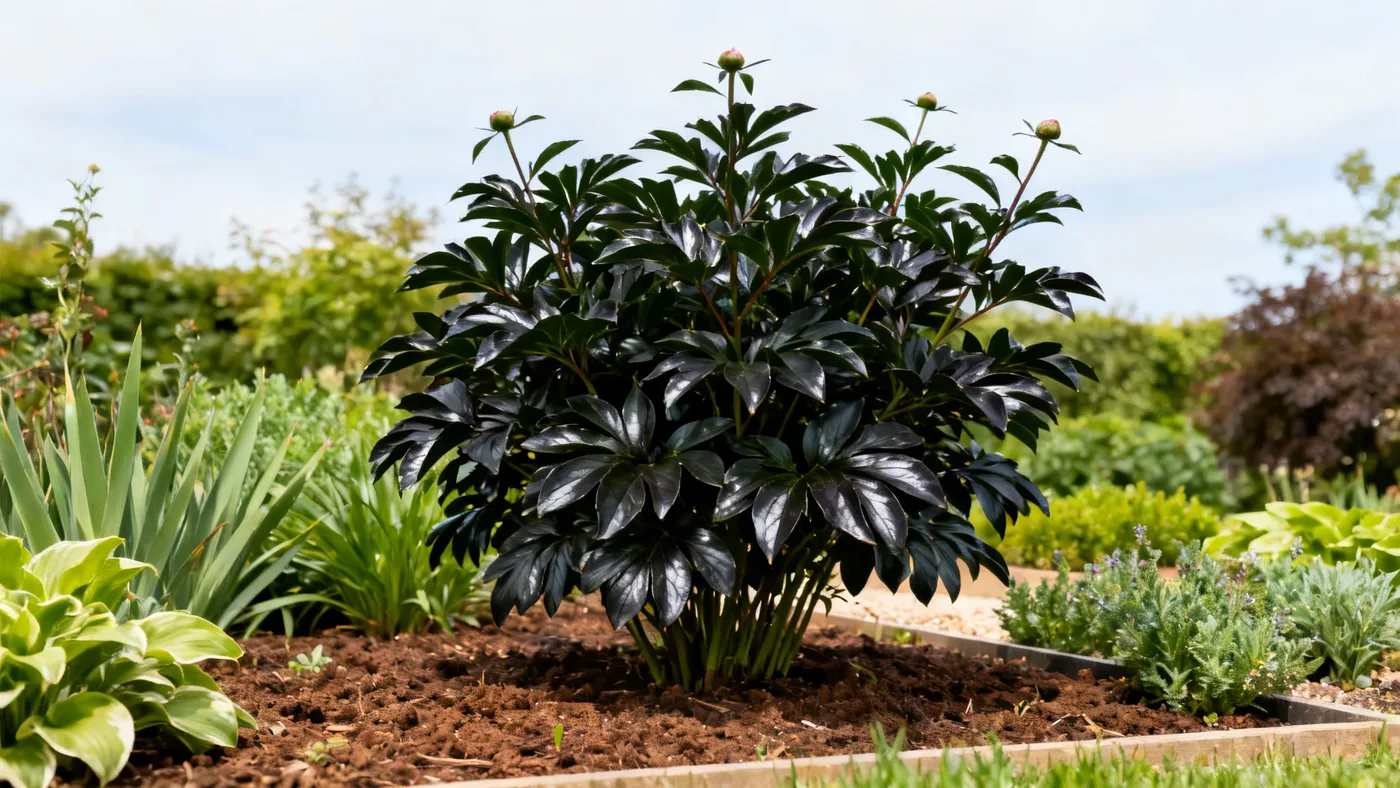
Landscape Ideas for Sarah Bernhardt Peony Gardens
Sarah Bernhardt Peony's soft pink blooms and sweet fragrance make it one of the most versatile plants for garden design. Unlike finicky perennials, this cultivar rewards you with consistent beauty across USDA zones 3-8 once established. Whether you're building a traditional cottage garden or a modern mixed border, sarah bernhardt peony landscape ideas range from simple to elaborate, but all rely on the same foundation: planting in full sun, spacing plants 3 feet apart, and pairing them with complementary perennials that bloom at different times.
1. Layered Mixed Border with Complementary Perennials
The traditional mixed border is where Sarah Bernhardt shines. Plant it as the middle layer of your border (30-36 inches tall at maturity), anchored by tall backdrop plants and softened by lower bloomers in front. Sarah Bernhardt's late-spring to early-summer bloom time (May-June in most zones) fills the gap between spring bulbs and midsummer bloomers, making it an essential rhythm piece.
Position Sarah Bernhardt peonies 3 feet center-to-center from neighbors. Behind them, try tall salvias or delphiniums for a blue-and-pink story. In front, plant catmint (Nepeta), creeping sedums, or dwarf alliums to soften the peony base. This layered approach hides the peony's tendency to look sparse at ground level in early summer. The dark green, glossy foliage emerges early and fills gaps left by spring bloomers. For a romantic color scheme, pair peonies with bearded iris (blooms just before or alongside peonies) and roses in similar or contrasting tones.
Practical takeaway: Choose companion plants that need the same moderate water and well-drained soil. Avoid planting competing shallow-rooted plants too close; the 3-foot spacing rule gives peonies room to establish their deep root system. Plan for blooms at different heights and times across the May-June window and beyond.
2. Cottage Garden with Old-Fashioned Charm
Sarah Bernhardt is the quintessential cottage garden peony. Its double pink blooms, strong sweet fragrance, and proven longevity (commonly 20-50+ years in the landscape) make it a living heirloom. Create an informal, densely planted cottage garden by combining Sarah Bernhardt with roses, lavender, delphiniums, campanulas, and self-seeding foxgloves. The abundance of texture and color creates the signature cottage chaos, yet each plant serves a purpose.
Plant Sarah Bernhardt in clusters of three, spaced 3 feet apart, for impact without overcrowding. Let companion perennials weave between them. The pale pink fades to almost white as blooms age, so it works equally well with white roses and pale purple salvia or in a bolder scheme with deep red companion plants. Because peonies are deer-resistant, they'll survive the inevitable nibbling that hits less-protected plants. Their glossy foliage remains attractive long after bloom and provides structure when other plants sprawl in high summer.
Practical takeaway: Start with a core of established Sarah Bernhardt peonies, then fill in gaps with fast-growing companions like catmint and Russian sage. Expect full cottage-garden maturity in year 3-4 as peonies reach their mature 24-36 inch width. Deadhead spent peony blooms to redirect energy to root development, but allow some companion plants to self-seed for authentic cottage character.
3. Foundation Planting Design
Sarah Bernhardt works beautifully in foundation plantings, especially on the shaded east or north side of a structure where it receives morning sun and afternoon shade. This afternoon shade is particularly helpful in hot southern zones (zones 7-8), extending bloom time and preventing the pale pink from bleaching to white too quickly. Position the peony as a focal point in a tiered foundation scheme: taller shrubs at the back, Sarah Bernhardt at mid-height, and groundcovers or dwarf companions in front.
A classic foundation combination uses Sarah Bernhardt behind a low hedge of boxwood or compact evergreens, with ornamental grasses or sedums at the front. The peony's emergence in spring is dramatic against a backdrop of evergreen structure. Its blooms in May-June provide concentrated color and fragrance right at eye level from a window or porch. The late-season bronze-maroon foliage tints add subtle autumn interest before frost kills back the stems.
Practical takeaway: Ensure the foundation bed drains well and amend soil with humus-rich compost to establish neutral to slightly acidic pH (6.5-7.0). Plant the peony eyes no more than 1-2 inches below the soil surface; planting too deep is the most common reason peonies fail to bloom. Allow 3-4 years for peak mature bloom after planting, and plan for the 30-36 inch mature height when spacing from windows and walkways.
4. Dedicated Cutting Garden Layout
If you love bringing flowers indoors, design a cutting garden specifically for Sarah Bernhardt peonies. This practical approach eliminates the guilt of removing blooms from a designed landscape. Plant peonies in rows, 3 feet apart, in a dedicated bed or vegetable garden area where productivity matters more than visual composition. Use supporting plants like catmint, baptisia, or salvia between rows to maximize the space and create a secondary harvest of cut flowers.
Sarah Bernhardt produces long, sturdy stems perfect for cutting when blooms are just barely opened (they'll continue opening in the vase for several days). The strong, sweet rose-like fragrance fills a room without being overwhelming. For the longest vase life, harvest in early morning, condition stems for several hours in cool water before arranging, and strip foliage below the waterline. A single established peony produces many stems over its 2-3 week bloom window. Plan for 3-5 plants if you're a serious cut-flower grower; fewer if you only want occasional bouquets.
Practical takeaway: Cutting does not harm established peonies. The plant redirects energy to root development when you harvest blooms. In your first year or two (before peonies reach full size), cut sparingly to let the plant establish. Once mature (year 3-4), you can harvest generously throughout the bloom window. Provide light afternoon shade in zones 7-8 to prevent rapid petal burnout.
5. Specimen Grouping or Peony Grove
Create a dedicated landscape feature by planting a grouping of Sarah Bernhardt peonies as the focal point of a sunny garden room. Plant three to five plants in an informal cluster, spacing each 3 feet apart, to create a mounding mass of foliage and bloom in late spring. This concentrated approach works especially well if you have a natural sunny clearing or want to establish a visual anchor in a larger property. The combined fragrance of multiple blooming peonies is powerful and memorable.
Underplant the peony grouping with spring-blooming bulbs (tulips, mid-season alliums) and shade-tolerant groundcovers like creeping phlox or epimedium. The peony's dense foliage in summer will create shade for heat-sensitive companions. In larger landscapes, position the grouping to be viewed from a sitting area or along a main pathway. Allow each plant its full mature spread (24-36 inches) without crowding for the best bloom display and air circulation, which helps prevent botrytis in humid springs.
Practical takeaway: Plan for 3-4 years of development before the grouping reaches peak maturity. The first year is establishment; years 2-3 show increasing bloom; year 4 and beyond delivers the lush, abundant display. Mark the planting bed clearly so you don't accidentally dig into dormant plants in spring before emergence. Mulch lightly (1-2 inches) around plants in fall, and remove mulch as new shoots emerge in spring to prevent rot.
6. Wildlife and Pollinator-Friendly Garden
Sarah Bernhardt peonies attract bees and other pollinators to early-summer gardens when bloom options are expanding but still limited. The fully double flowers mean fewer open stamens for pollinators compared to single-form peonies, but the plant still supports beneficial insects. You'll often see ants on the buds; this is harmless and actually beneficial, as ants feed on the nectar and help control some pests. Design a pollinator garden by combining Sarah Bernhardt with native perennials like salvia, baptisia, bee balm, and native alliums.
Layer in native groundcovers, native grasses, and flowering shrubs to extend the bloom season before and after peonies. In zones 3-6, combine peonies with native coneflowers, black-eyed Susans, and ornamental grasses. In zones 7-8, add zinnias and native verbena to bloom through summer heat. This approach builds a landscape that sustains pollinators from spring emergence through fall frost, with peonies providing a critical early nectar source during the May-June window.
Practical takeaway: Avoid broad-spectrum pesticides that kill the beneficial insects attracted to peony blooms. If you spot minor pest damage (aphids or thrips on buds), use strong water spray or targeted insecticidal soap. Allow spent peony foliage to stand through fall and cut back only after hard frost, creating habitat for overwintering beneficial insects. The dark green glossy foliage also provides shelter for ground-dwelling pollinators during dormancy.
Quick Reference: Landscape Pairing and Care
| Landscape Use | Best Companion Plants | Spacing from Peony | Planting Tips |
|---|---|---|---|
| Mixed Border | Bearded iris, catmint, roses, salvia | 3 ft center-to-center | Full sun 6+ hrs; neutral to slightly acidic soil (pH 6.5-7.0) |
| Cottage Garden | Lavender, delphiniums, campanulas, foxgloves | 3 ft center-to-center | Plant in clusters of 3; allow self-seeding companions |
| Foundation Planting | Boxwood, grasses, sedums, evergreens | 3 ft from structures | Eyes 1-2 in below soil; afternoon shade helps in zones 7-8 |
| Cutting Garden | Catmint, baptisia, supporting perennials | 3 ft in rows | Harvest in early morning; condition stems before arranging |
| Specimen Grouping | Spring bulbs, creeping phlox, epimedium | 3 ft between peonies | Peak bloom year 4; underplant for spring interest |
| Pollinator Garden | Native salvia, baptisia, native alliums, grasses | 3 ft center-to-center | Avoid pesticides; leave foliage until hard frost for insect habitat |
Getting Started with Sarah Bernhardt Peony Landscape Design
Sarah Bernhardt Peony's peony companion plants and proven longevity make it a cornerstone for thoughtful garden design. Whether you choose a cottage garden, mixed border, foundation planting, or cutting garden, the key principles remain consistent: full sun (6+ hours), well-drained fertile soil, and 3-foot spacing between plants. Allow 3-4 years after planting for the peony to reach full mature height (30-36 inches) and produce the abundant double blooms that define Sarah Bernhardt's presence in the landscape.
For detailed guidance on soil preparation, planting depth, watering schedules, and seasonal care, refer to the complete Sarah Bernhardt Peony care guide. The initial investment of time in site selection and companion plant pairing pays dividends for decades as your peonies mature and become the fragrant focal point of every late-spring garden tour.