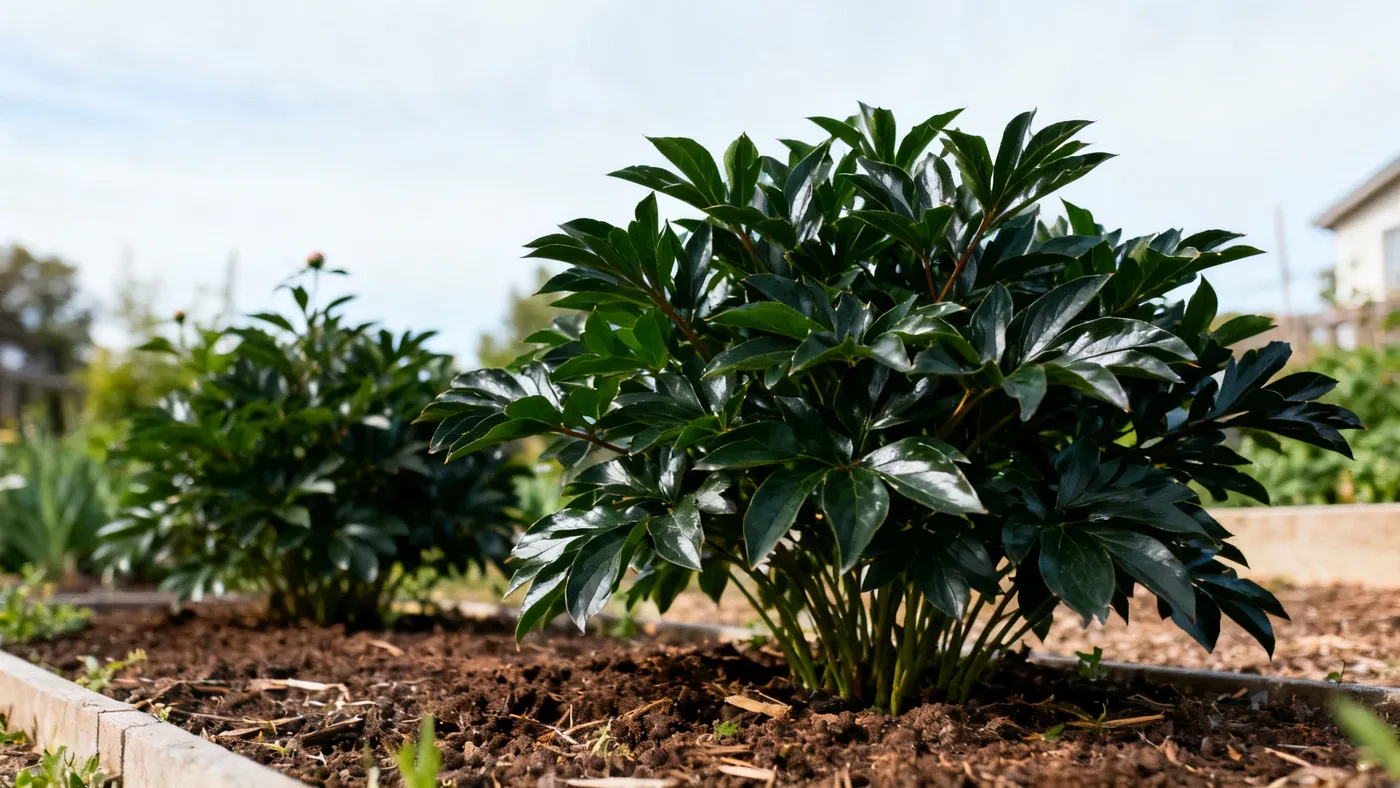
Sarah Bernhardt Peony Sun Requirements Explained
Sarah Bernhardt Peony thrives in bright conditions, but understanding exactly what that means for your garden makes the difference between a few blooms and a spectacular display. Many home gardeners wonder how much sun peonies really need, especially in different climates. This guide walks you through assessing your space, positioning your plant correctly, and ensuring optimal light exposure for years of beautiful flowers.
Understanding Sarah Bernhardt Peony Sun Requirements
Sarah Bernhardt Peony requires full sun to perform at its peak. Full sun means 6 or more hours of direct sunlight each day. This peony needs consistent light exposure to develop strong stems, abundant flower buds, and the deep color those double pink blooms are known for.
In hot southern zones (zones 7-8), light afternoon shade actually helps extend bloom time and prevents petal color from fading too quickly. The afternoon shade provides relief from the hottest part of the day while still delivering the sunlight needed for robust growth. Northern gardeners in zones 3-6 can plant in full sun without concern.
Partial shade or fewer than 6 hours of sun will result in fewer flowers, thinner stems, and a plant that takes longer to reach mature size. While the plant may survive in shadier conditions, it will not deliver the peony display you are planting for.
Materials and Tools You Will Need
- Measuring tape or ruler (for assessing sun exposure areas)
- Notebook or phone camera (to document shade patterns)
- Sunlight observation tracker or simple daily log
- Garden soil thermometer (optional, helpful for zone confirmation)
- Map of your yard or printed satellite photo of your property
- Container or marker flags (optional, to mark potential planting spots)
Step 1: Map Your Garden's Sun Exposure Patterns
Start by observing your yard over a full day. Look for areas that receive direct sunlight from mid-morning through afternoon. Notice where tree shadows fall and how they move throughout the day. Early morning sun counts toward your 6-plus hour requirement, and late afternoon sun does too. What matters is the total hours of direct sunlight, not which specific hours.
Walk your property at sunrise, midday, and sunset. Take photos or notes on your phone marking bright areas. Buildings, fences, and large trees create shade patterns that change with the seasons, so note whether you are observing spring or fall shade versus summer shade when tree canopies are fuller.
Step 2: Document Shade Patterns Over One Week
Spend a few days observing the same areas at different times. Mark areas that stay sunny from 8 AM to 3 PM. These spots are ideal for Sarah Bernhardt Peony. If an area gets sun until 2 PM with afternoon shade starting then, it still meets the 6-hour threshold and offers good afternoon protection in hot zones.
Use painter's tape, flags, or simply mark your map. You are looking for zones that will receive consistent, uninterrupted sunlight for at least 6 hours on most days, not just occasionally.
Step 3: Check Your USDA Hardiness Zone
Sarah Bernhardt Peony grows in zones 3 through 8. Confirm your zone by entering your zip code at planthardiness.ars.usda.gov. If you are in zone 7 or 8 (hot summers), prioritize locations that offer afternoon shade. If you are in zones 3-6, plant in full sun without hesitation.
Step 4: Assess Soil Conditions in Your Sunny Spots
Peony light requirements are only half the story. The plant also needs fertile, humus-rich, well-drained loam with a soil pH between 6.5 and 7.0. Check your sunny spots for good drainage. Dig a small hole in your candidate planting location and fill it with water. If water drains away within 24 hours, drainage is adequate. If it pools and lingers, that spot will cause root rot even with perfect sun exposure.
Step 5: Select Your Planting Location
Choose a spot that receives 6 or more hours of direct sun daily (or light afternoon shade in zones 7-8) and has well-draining soil. Space your Sarah Bernhardt Peony at least 3 feet away from other plants or structures, measured from the center of where you plan to plant. At maturity, the plant will reach 30-36 inches tall and 24-36 inches wide, so allow room for that spread without crowding.
Avoid planting under trees, even if the tree is not leafed out yet. Root competition and eventual shade as the tree leafs out will reduce sun exposure over the growing season. Similarly, avoid locations that will be shaded by fences, buildings, or other structures as the sun's angle changes seasonally.
Step 6: Time Your Planting Correctly
Plant your Sarah Bernhardt Peony in early fall (September-October) for the best results. Fall planting allows the roots to establish before winter and gives the plant energy to send up strong shoots in spring. If fall planting is not possible, early spring planting of potted nursery stock also works. Spring-planted peonies may produce only light bloom in year one but will reach full potential by year three to four.
Step 7: Monitor Sun Exposure in Year One
After planting, watch how sunlight reaches your peony through its first growing season. Take note if unexpected shade appears from nearby vegetation or structures. New peonies grow slowly (the growth rate is slow to moderate), so adjustments in year one are still possible if needed, though the plant resents disturbance. If you discover the spot is getting less sun than expected, plan to move it only if bloom is significantly poor by year two or three.
Tips and Common Mistakes to Avoid
Mistake 1: Counting Morning Dappled Shade as Full Sun
Dappled or filtered sunlight through tree branches does not count as direct sun hours. A plant in filtered light still needs 4-5 additional hours of direct sun to meet the 6-hour requirement. If a potential spot gets only filtered morning light and afternoon shade, that is not sufficient for peak peony bloom.
Mistake 2: Planting in Deep Southern Shade
Northern gardeners sometimes assume that more shade is always better in the south. This is incorrect for peonies. Sarah Bernhardt Peony still needs full sun in zones 7-8. The "light afternoon shade" recommendation means a few hours of afternoon dappled shade to prevent petal scorching, not deep shade all day.
Mistake 3: Ignoring Seasonal Shade Changes
A spot with full sun in early spring when trees are leafless can become heavily shaded by midsummer. When evaluating peony sun requirements, observe during late spring or early summer when trees have fully leafed out. That is when the true light conditions will be evident.
Tip: Use a Sun Angle App
Apps like SunSeeker or Sun Surveyor let you photograph your yard and see exactly where the sun travels throughout the year. These tools remove guesswork and work especially well for complicated yards with multiple structures and trees.
Tip: Start with Potted Stock
Buying a potted Sarah Bernhardt Peony rather than bare-root gives you flexibility. You can keep it in a container for a few weeks, moving it around your yard to test different sunny spots before committing to a permanent location.
Expected Results Over Time
In year one, a newly planted Sarah Bernhardt Peony positioned in proper sunlight will produce new growth but may show only light bloom. By year two, you should see noticeably more flower buds. By year three to four, the plant reaches its mature size and peak bloom display. The delay happens because the plant prioritizes root establishment and stem development before lavishing energy on massive flower production.
A peony in inadequate sun will grow but produce fewer flowers, spindly stems that need staking, and longer delays reaching mature size. Once positioned in sufficient sun, it will steadily improve each year.
Peonies are long-lived plants, commonly thriving for 20 to 50 or more years in the landscape with some specimens documented living a century or more. Getting the sun requirements right in year one pays dividends for decades.
Quick Reference Checklist
| Requirement | Details | Complete |
|---|---|---|
| Daily sunlight | 6 or more hours of direct sun (zones 3-6), or 6+ hours with light afternoon shade (zones 7-8) | ☐ |
| USDA zone | Confirm your zone (3-8) at planthardiness.ars.usda.gov | ☐ |
| Soil drainage | Test: hole drains in 24 hours, well-drained fertile loam, pH 6.5-7.0 | ☐ |
| Spacing | At least 3 feet from other plants or structures (center to center) | ☐ |
| Mature size | Allow 24-36 inches width and 30-36 inches height | ☐ |
| Planting season | Fall preferred (September-October), early spring of potted stock also works | ☐ |
| Shade observation | Test spot over one full week at different times of day | ☐ |
| Long-term monitoring | Watch for unexpected shade in year one; note bloom progression in years 2-4 | ☐ |
For more detailed guidance on Sarah Bernhardt Peony care beyond sun requirements, refer to the complete Sarah Bernhardt peony care guide, which covers watering, fertilizing, pruning, and troubleshooting other common issues.